
Five Star Hotels in La Paz


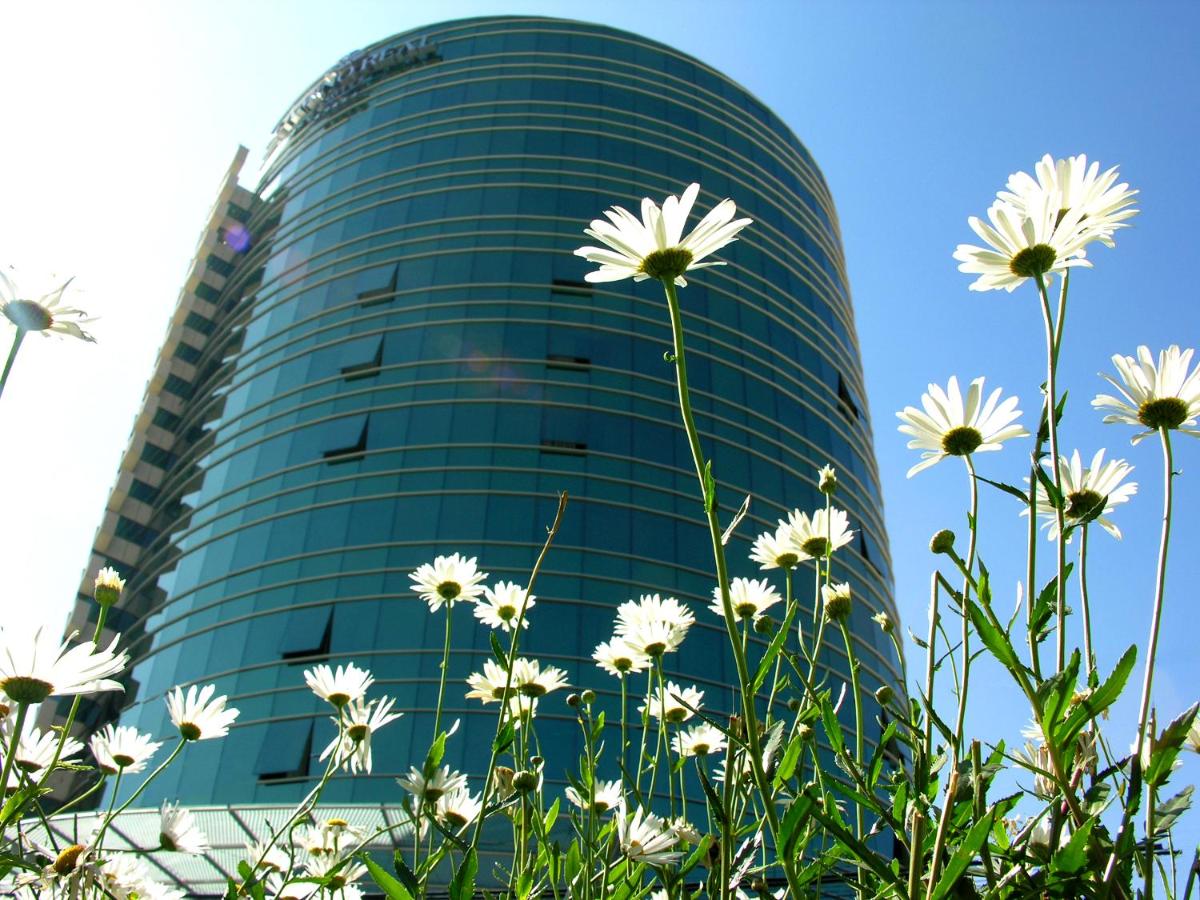
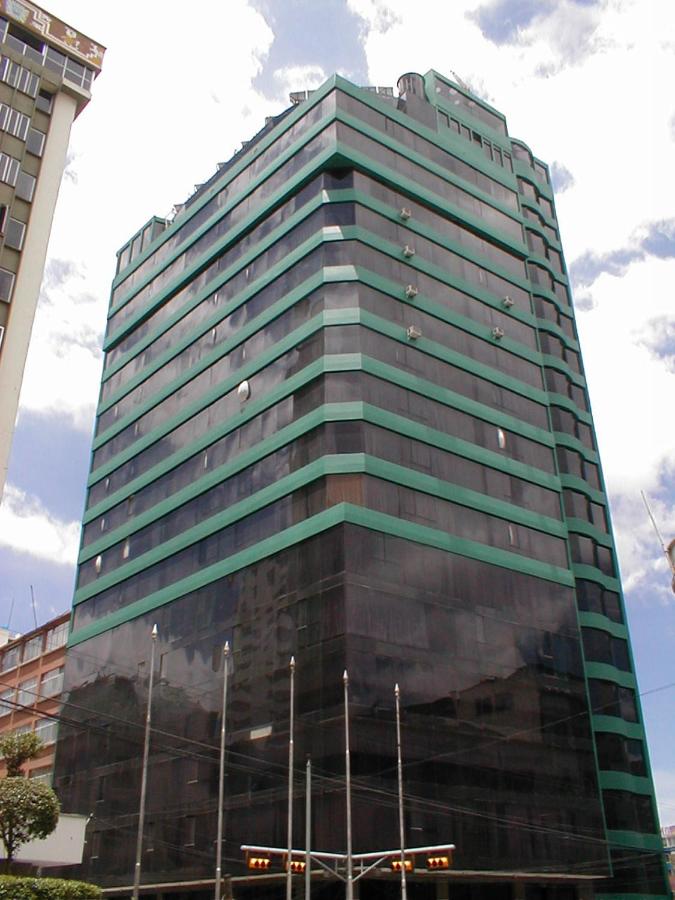
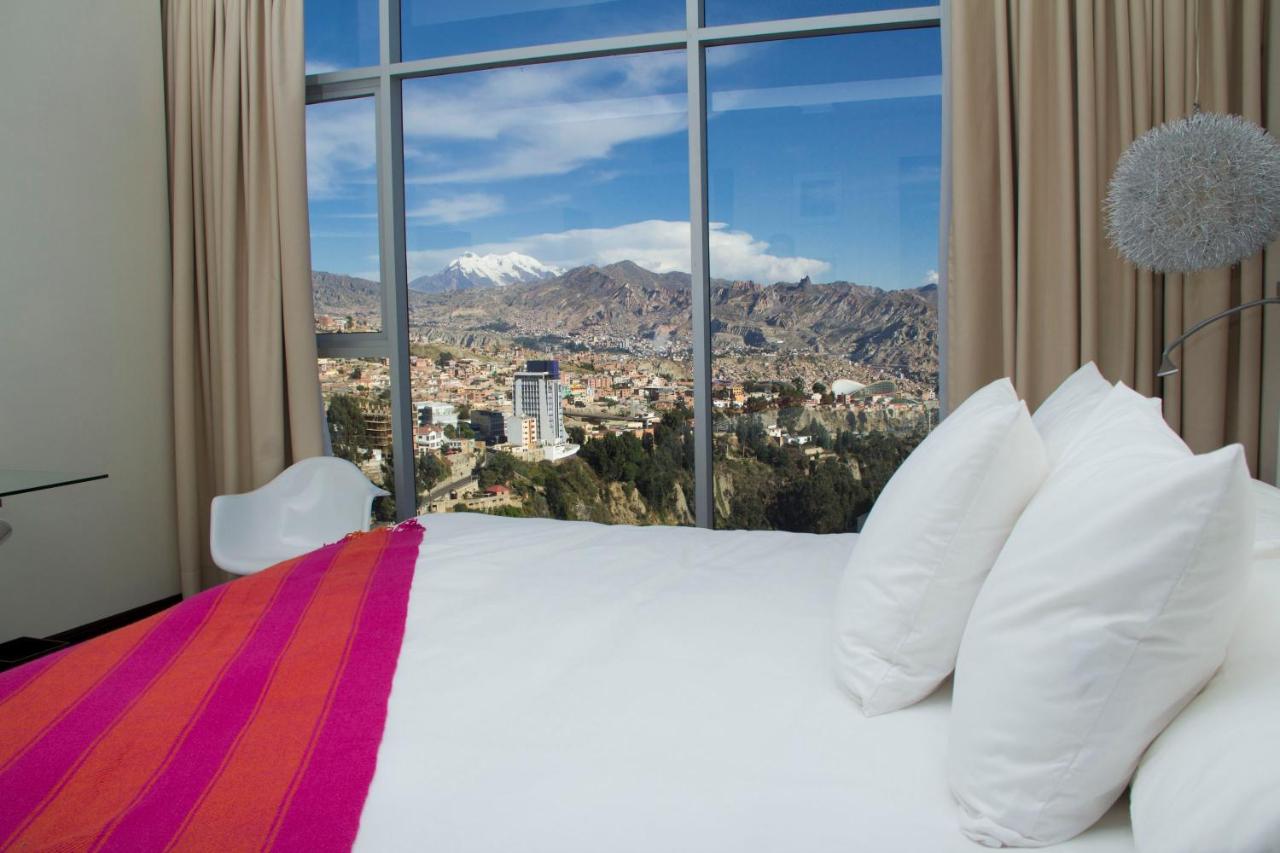
Hotels Five Stars
Unparalleled luxury and sophistication.
See all








About the city
La Paz is the administrative capital of Bolivia and its highest city. Located at an altitude of over 3,600 meters above sea level, La Paz offers visitors a unique experience with its stunning views of the Andes Mountains and rich cultural heritage.
One of the city's most popular attractions is the Witches' Market, where locals sell herbs, potions, and other traditional remedies. The market also offers a glimpse into Bolivia's indigenous culture, with colorful textiles and handicrafts on display.
For a more historical experience, WE recommend visiting the Tiwanaku archaeological site, which is located about an hour's drive from La Paz. This ancient city was once a hub of Andean civilization and is now a UNESCO World Heritage Site.
If YOU are feeling adventurous, WE suggest taking a ride on the world's highest urban cable car system, which connects La Paz to the nearby city of El Alto. The cable car offers stunning panoramic views of the city and surrounding mountains.
Finally, no trip to La Paz is complete without sampling some of the local cuisine. Bolivian cuisine is a fusion of indigenous and Spanish influences, with dishes like salteñas (empanadas filled with meat and vegetables) and pique macho (a hearty beef dish) being popular favorites.
WE hope this presentation has given YOU a taste of what La Paz has to offer. From its rich cultural heritage to its stunning natural surroundings, La Paz is a city that truly has something for everyone. So pack your bags and get ready for an adventure in Bolivia's vibrant capital!
Why Bolivia is a Plurinational State
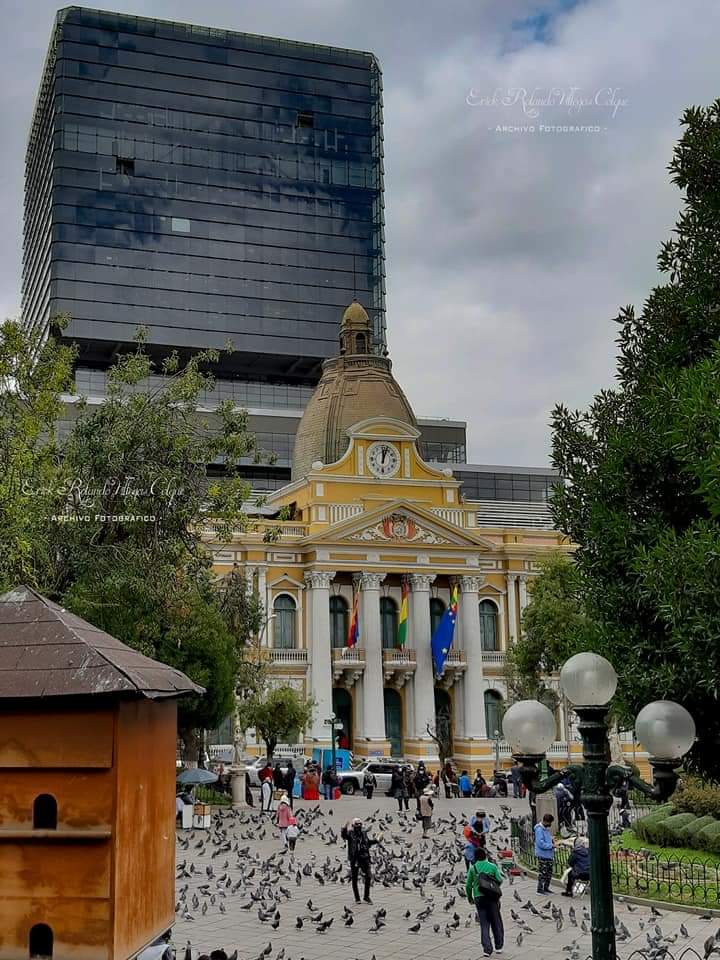
Bolivia, also known as the Plurinational State of Bolivia, is a country located in South America with La Paz as one of its largest cities and the seat of government. The term "Plurinational" was added to the name of the country in 2009, after the election of President Evo Morales and the approval of a new constitution. This change reflects the country's multicultural and diverse population, as well as the recognition of the rights of indigenous peoples.
La Paz, as the administrative capital of Bolivia, plays a crucial role in the country's political and cultural life. The city is located in the Andes Mountains and is the highest capital in the world, with an altitude of over 3,600 meters above sea level. Its unique geography and history have shaped its cultural identity, which is a blend of indigenous, colonial, and modern influences.
The concept of a Plurinational State is based on the recognition and respect of the cultural diversity and rights of all the groups that make up the country. Bolivia has a rich and complex history of indigenous cultures, which were suppressed and marginalized during the colonial period and the following centuries. The new constitution of 2009 acknowledges the role of indigenous peoples in the country's history and society and grants them autonomy and self-determination.
The Plurinational State model also aims to dismantle the colonial power structures and promote social justice and equality. Bolivia is one of the poorest countries in South America, with high levels of inequality and marginalization. The new constitution includes provisions for land reform, nationalization of natural resources, and redistribution of wealth. These policies have generated controversy and resistance from some sectors of the population and international actors.
La Paz is a reflection of the country's diversity and struggles for social justice. The city has a vibrant cultural scene, with festivals, museums, and art galleries celebrating the richness of its history and traditions. It is also a center of political activism and social movements, which have played a key role in the country's recent history. La Paz is home to indigenous organizations, feminist groups, environmental activists, and many other social actors that are fighting for a more just and inclusive society.
Bolivia's Plurinational Identity: Exploring Diversity
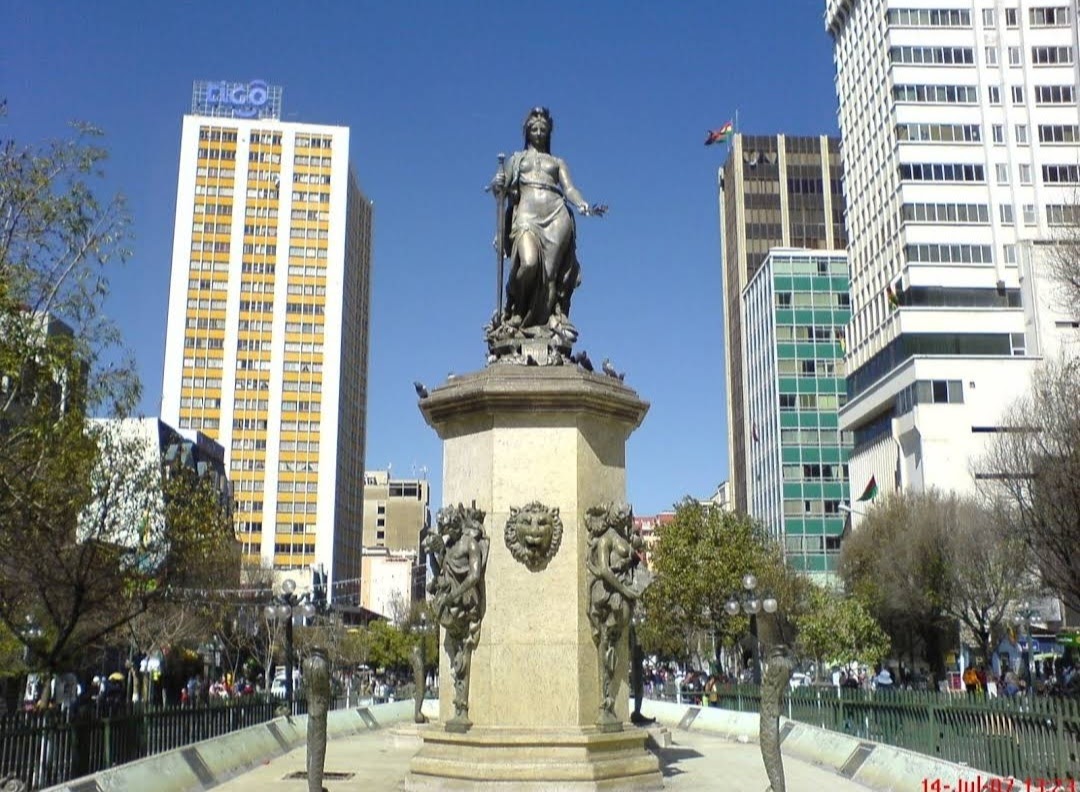
Bolivia, officially known as the Plurinational State of Bolivia, is a country in South America that is known for its diverse population and unique cultural identity. The country is home to over 11 million people, with a majority of the population being indigenous. This diversity is reflected in the country's official name, which recognizes the different ethnic groups that make up Bolivia's population.
La Paz, the administrative capital of Bolivia, is a city that embodies the country's plurinational identity. The city is known for its vibrant mix of cultures, traditions, and languages. The streets of La Paz are lined with colorful markets, where vendors sell everything from textiles and handicrafts to local produce and street food. The city's architecture is also a reflection of its diverse history, with colonial-era buildings standing next to modern high-rises.
One of the most significant cultural events in La Paz is the annual Alasitas festival, which takes place in January. This festival is a celebration of abundance and prosperity and is rooted in the indigenous Aymara culture. During the festival, people buy miniature versions of the things they want in their lives, such as money, houses, and cars, in the hope that these things will manifest in the coming year.
La Paz is also home to the Witches' Market, where locals and tourists alike can find traditional remedies and potions, as well as talismans and charms for good luck and protection. This market is a reflection of the country's syncretic religious beliefs, which combine elements of indigenous spirituality with Catholicism.
Despite its diverse cultural heritage, Bolivia has a complex history of political and social strife. The country has long been plagued by inequality, poverty, and discrimination against indigenous people. In recent years, however, the government has taken steps to address these issues and promote the country's plurinational identity. In 2009, Bolivia adopted a new constitution that recognized the country's different ethnic groups and granted greater political representation to indigenous people.
La Paz is an important center of indigenous activism and social justice movements. The city is home to many grassroots organizations that fight for the rights of marginalized communities and advocate for greater political participation and representation.
Bolivia's Plurinational Status: Historical Timeline
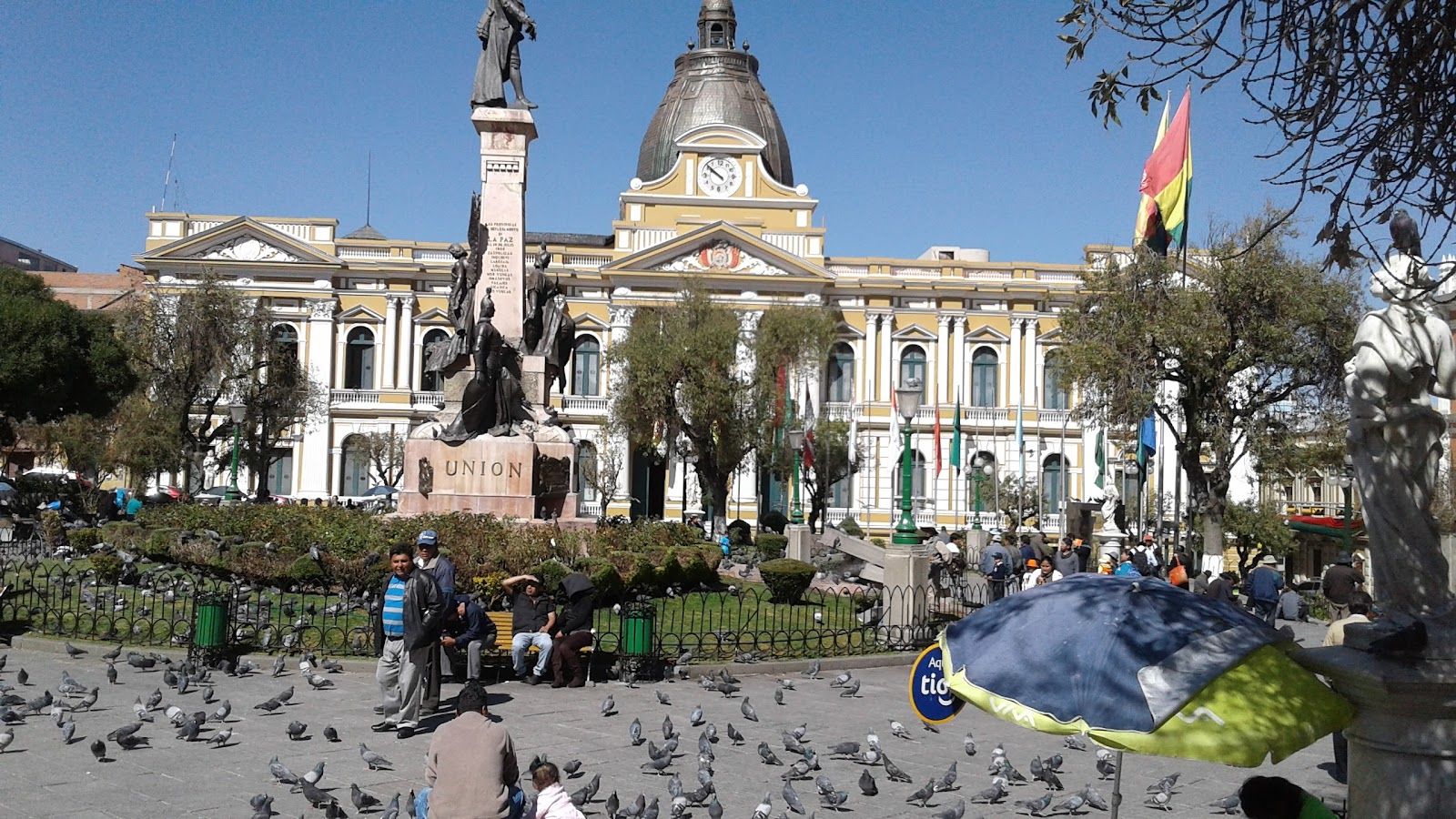
Bolivia, officially known as the Plurinational State of Bolivia, is a country located in South America. Its capital city is La Paz, which is also the administrative center of the country. La Paz is a city with a rich history, and it has played a significant role in Bolivia's journey towards becoming a plurinational state.
Bolivia's plurinational status is a term used to describe the country's recognition of its multi-ethnic and multicultural heritage. The country's constitution was revised in 2009 to acknowledge the rights of the indigenous people and to recognize Bolivia as a plurinational state.
The concept of a plurinational state in Bolivia has its roots in the country's history of colonization and oppression of indigenous people. The Spanish conquered Bolivia in the 16th century and brought with them a system of oppression that lasted for centuries. The indigenous people were forced to assimilate into the Spanish culture, and their own cultures and traditions were suppressed.
It wasn't until the 20th century that Bolivia began to recognize the rights of its indigenous people. In the 1950s, a socialist revolution led by the Nationalist Revolutionary Movement brought about land reform and the nationalization of major industries. In the 1990s, indigenous movements gained momentum and began to push for greater recognition of their rights.
The election of Evo Morales as Bolivia's president in 2005 marked a turning point in the country's history. Morales, an indigenous Aymara, was the first indigenous person to be elected president in Bolivia. His administration implemented policies that aimed to address the marginalization of indigenous people and to promote their participation in the country's political and economic life.
In 2009, a new constitution was approved that recognized Bolivia as a plurinational state. The constitution acknowledged the rights of the indigenous people and recognized their languages and cultures as equal to those of the non-indigenous population. The constitution also established a system of government that included indigenous representation at all levels of government.
Today, Bolivia is seen as a model for other countries seeking to recognize and promote the rights of their indigenous populations. La Paz, as the administrative center of the country, plays an important role in this process. The city is home to many indigenous organizations and serves as a hub for indigenous activism and culture.
Bolivia's journey towards becoming a plurinational state has been a long and complicated one, but it is an important step towards recognizing and addressing the historical injustices suffered by the country's indigenous people. La Paz, as the capital city and administrative center of the country, is at the forefront of this process, and its rich history and cultural heritage make it an important center of indigenous activism and culture.
Discover the Plurinational State - Country Name
Bolivia, officially known as the Plurinational State of Bolivia, is a country located in South America. Its capital city, La Paz, is an important cultural and economic center of the country. This high-altitude city is nestled in the Andes Mountains and is known for its stunning scenery, rich history, and diverse culture.
La Paz is the administrative capital of Bolivia and the seat of government. It is also the largest city in the country, with a population of over 2 million people. The city is divided into several neighborhoods, each with its own distinct personality and charm. One of the most popular neighborhoods to visit is the historic center, which is home to many of the city's most important landmarks and attractions.
One of the most iconic landmarks in La Paz is the Witches' Market, which is located in the heart of the city. This bustling market is filled with vendors selling all sorts of traditional remedies, herbs, and potions. Visitors can also find a variety of unique souvenirs and handicrafts here.
The city is also home to several museums, including the National Museum of Archaeology and the Museum of Ethnography and Folklore. These museums offer insight into Bolivia's rich cultural heritage and history, and are a must-visit for anyone interested in learning more about the country.
For those who love the outdoors, La Paz is a great destination for hiking, mountain biking, and other outdoor activities. The city is surrounded by stunning natural scenery, including the Andes Mountains and Lake Titicaca.
In conclusion, La Paz is a unique and fascinating locality in Bolivia that boasts rich cultural and historical heritage, breathtaking natural landscapes, and a vibrant and bustling city life. From exploring the colorful streets of the Witches' Market to hiking the snow-capped peaks of the Andes, there is no shortage of exciting things to see and do in La Paz. Whether you are a history buff, an adventure seeker, or simply a curious traveler, La Paz is a must-visit destination that is sure to leave you with unforgettable memories and experiences.