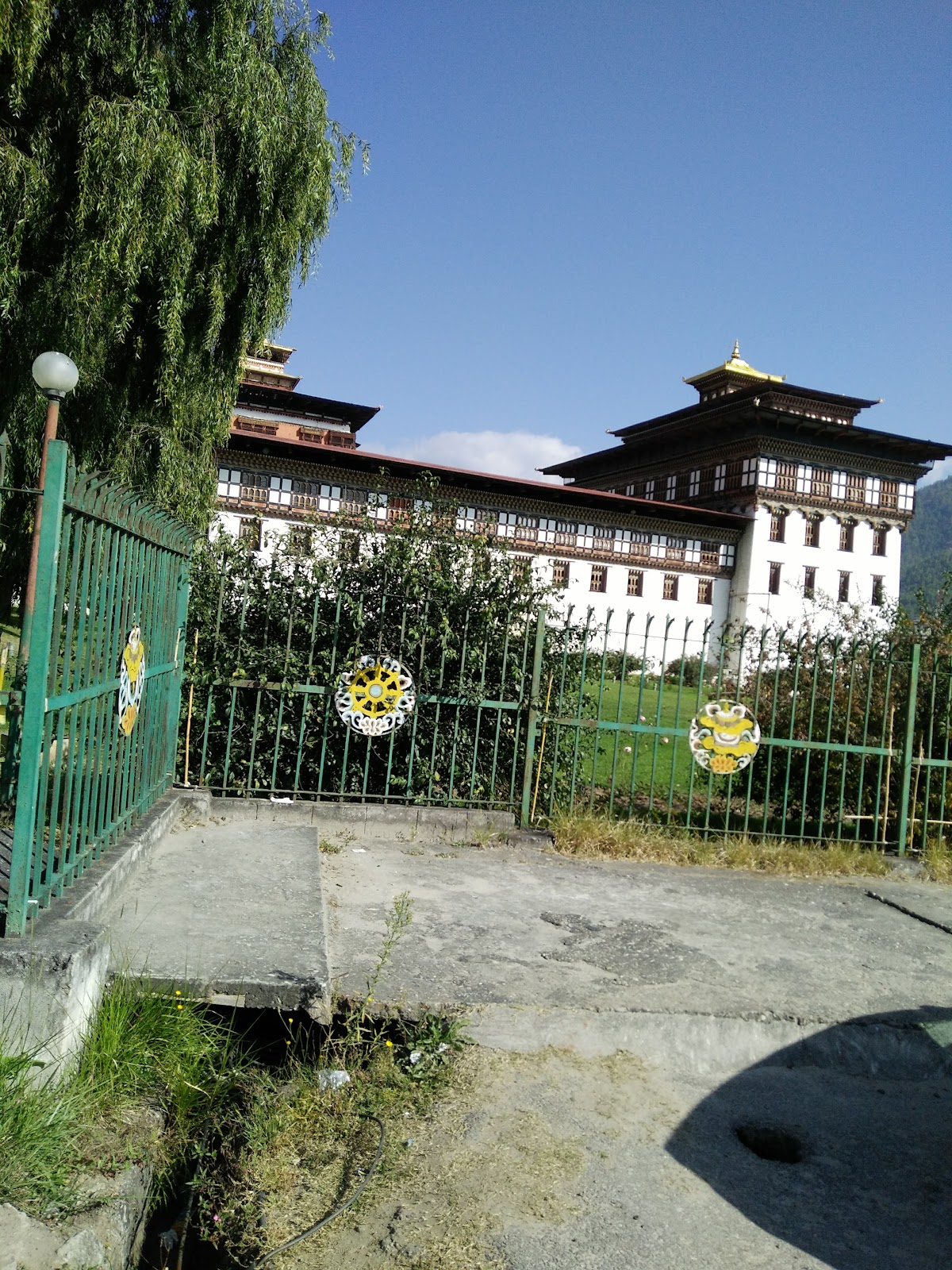
Five Star Hotels in Paro


Hotels Five Stars
Unparalleled luxury and sophistication.
See all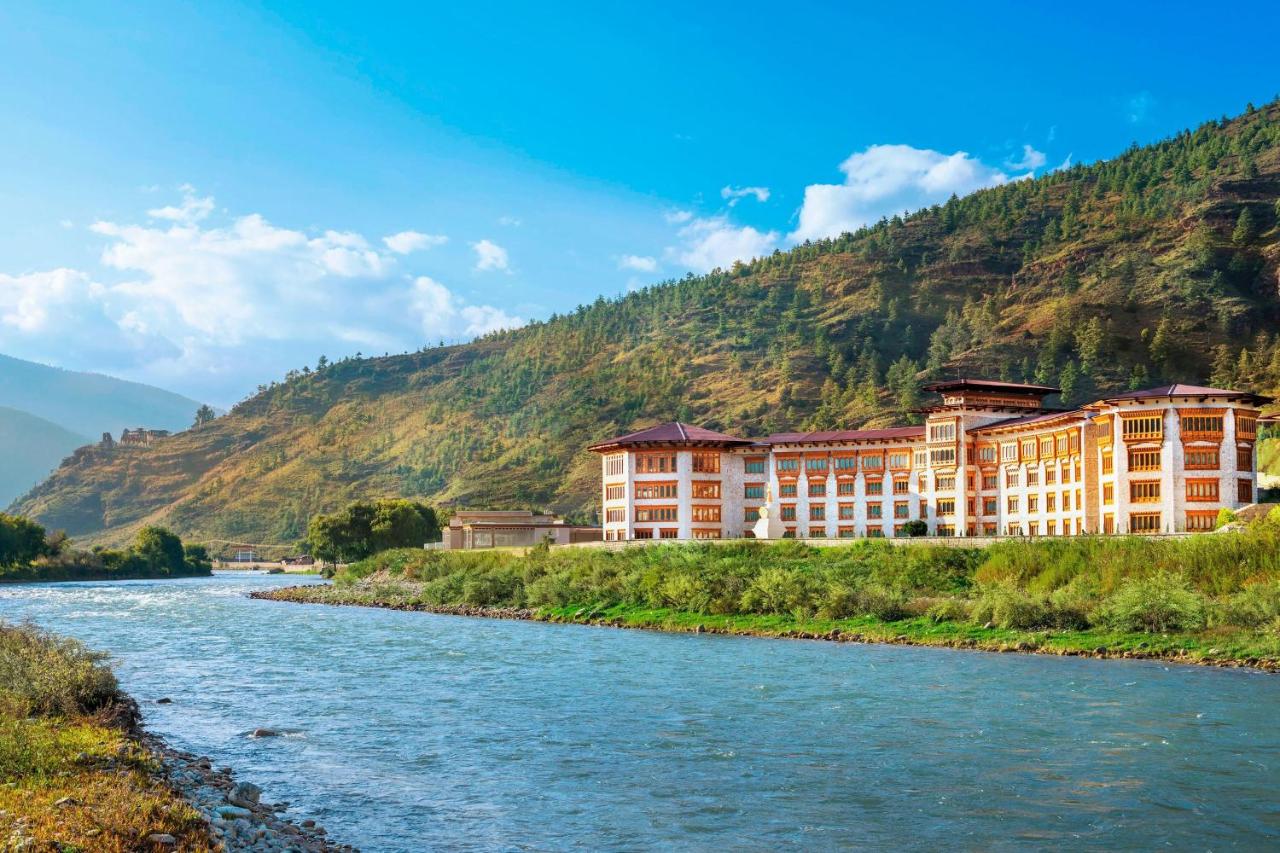
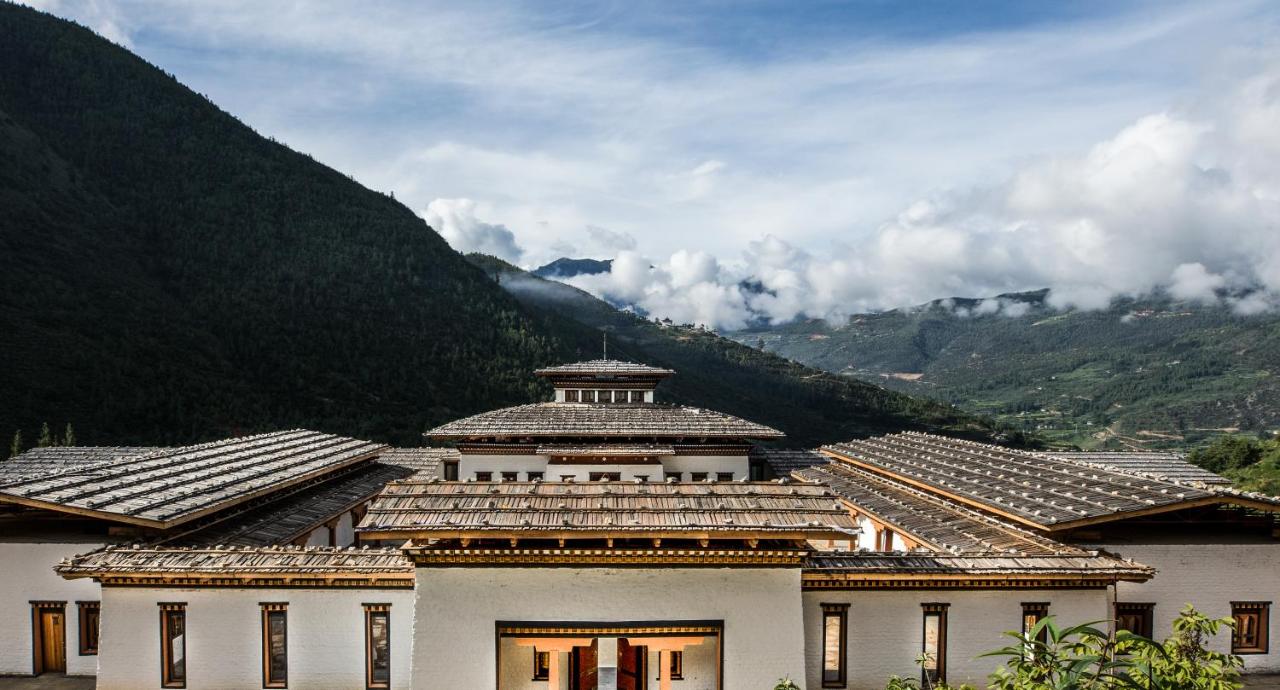
About the city
As soon as you arrive in Paro, you will be struck by the sheer beauty of the place. Surrounded by majestic mountains and lush green forests, the town is a feast for the eyes. But it's not just the scenery that makes Paro special - it's also home to some of the most important cultural sites in Bhutan.
One of the most famous landmarks in Paro is the Taktsang Monastery, also known as the Tiger's Nest. This stunning temple is perched on the side of a cliff, and is accessible only by a steep hike up the mountain. But the effort is well worth it - the views from the top are simply breathtaking.
Another must-see attraction in Paro is the Rinpung Dzong. This massive fortress dates back to the 17th century and is home to a number of important Buddhist relics. Visitors can explore the intricate wooden carvings and murals that adorn the walls, and learn about the fascinating history of the region.
Paro is also a great place to experience Bhutanese culture firsthand. The town is home to a number of festivals throughout the year, including the famous Paro Tsechu. During these celebrations, locals dress up in traditional clothing and perform colorful dances and rituals.
But even if you're not here during a festival, you can still get a taste of Bhutanese culture by exploring the local markets and trying the delicious local cuisine. From spicy curries to hearty stews, Bhutanese food is sure to delight your taste buds.
Whether you're a history buff, a nature lover, or simply looking for a unique cultural experience, Paro has something to offer everyone. So why not pack your bags and come explore this charming town for yourself? We promise you won't be disappointed!
Discover Paro's Rich History and Culture
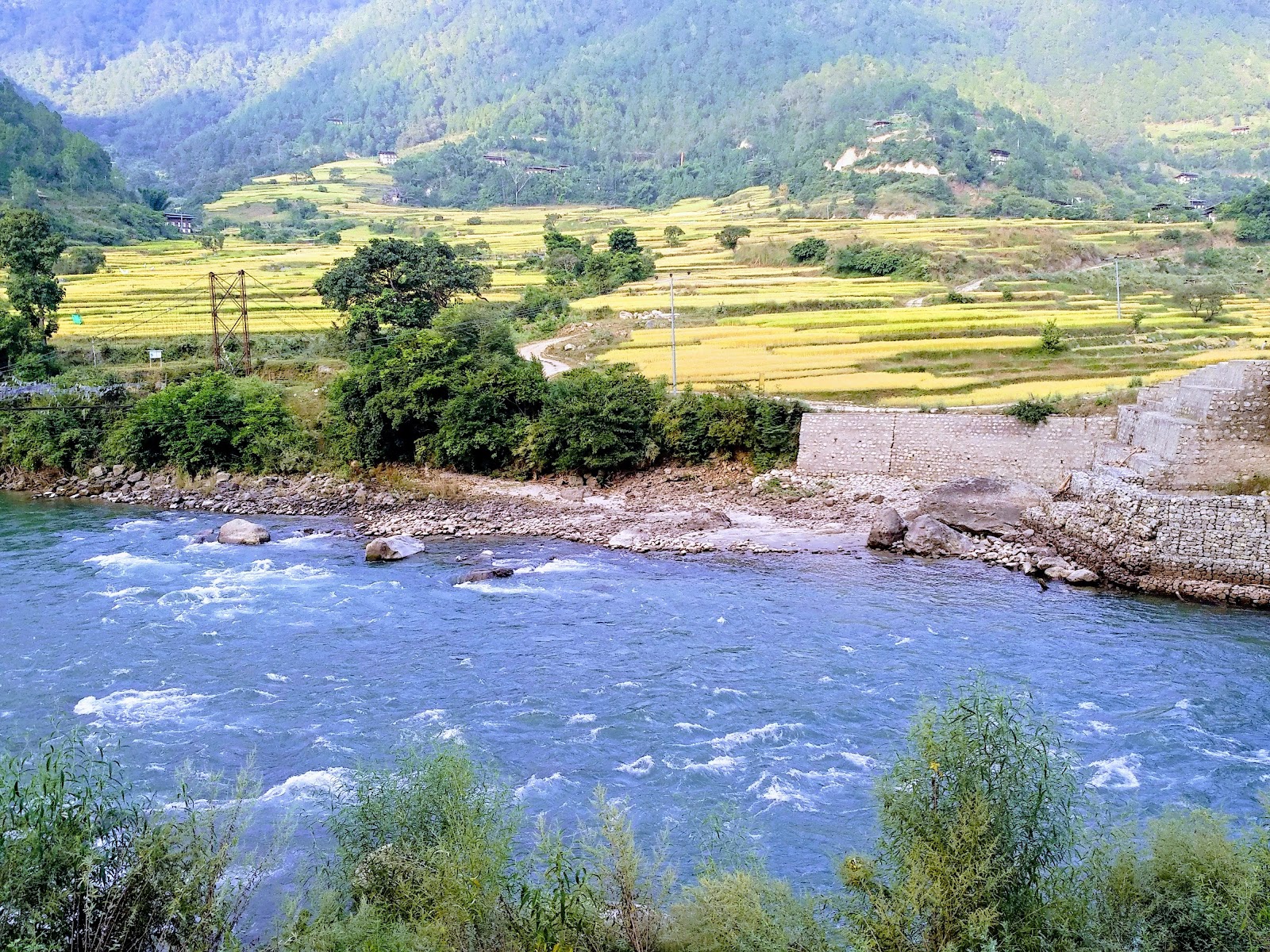
Paro is a picturesque valley located in the Kingdom of Bhutan. It is a hub for cultural and religious sites, making it a popular tourist destination. The valley is home to several sacred sites and historical monuments that offer a glimpse into the rich history and culture of Bhutan.
One of the most significant attractions in Paro is the Paro Taktsang Monastery, also known as the Tiger's Nest. This iconic monastery is perched on a cliff at an elevation of 3,120 meters and offers a stunning view of the valley below. The monastery is believed to have been built in the 8th century and is associated with Guru Rinpoche, who is said to have flown to the site on the back of a tiger. The monastery is a popular pilgrimage site, and visitors can take a strenuous hike to reach it.
Another important site in Paro is the Rinpung Dzong, a fortress-monastery that was built in the 16th century. The dzong is located on a hilltop and overlooks the valley. It is a stunning example of Bhutanese architecture, with intricate woodwork and beautiful murals. The dzong is still used for administrative purposes but is open to visitors during certain times of the year.
The National Museum of Bhutan, located in Paro, is another must-visit site. The museum is housed in a 17th-century watchtower and offers a comprehensive overview of Bhutan's history and culture. Visitors can learn about the country's traditional arts, textiles, and crafts, as well as its religious practices and festivals.
Paro is also known for its vibrant festivals, or tsechus, which are held throughout the year. These festivals are an important part of Bhutanese culture and are celebrated with colorful dances, traditional music, and elaborate costumes. The Paro Tsechu, held in the spring, is one of the most popular festivals in Bhutan and attracts visitors from around the world.
Discover Paro Bhutan's Location: Country Revealed
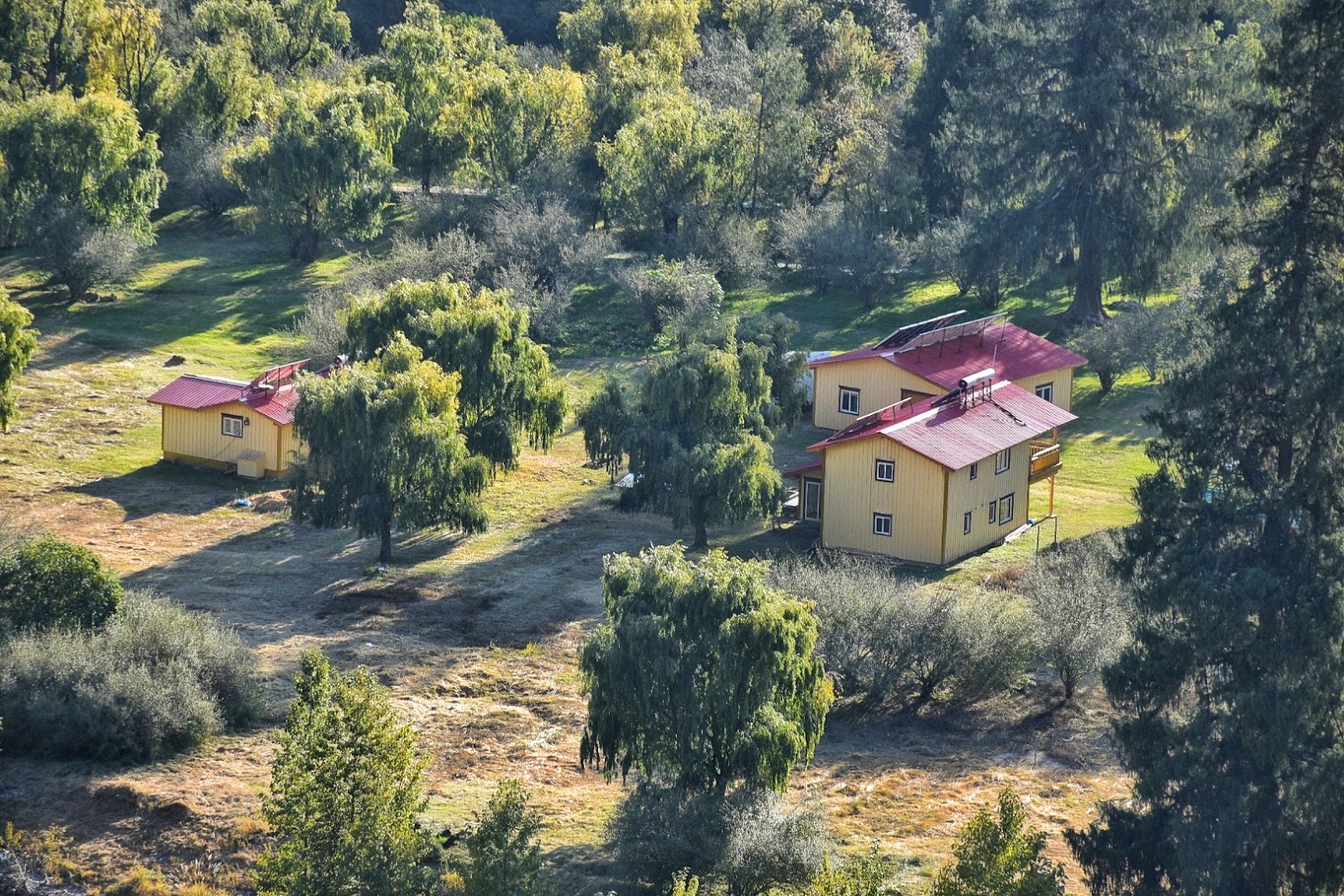
Paro is a locality located in the beautiful country of Bhutan. Bhutan is a small landlocked country located in South Asia, nestled in the eastern Himalayas. It is bordered by China to the north and India to the south, east, and west.
Paro is located in the western part of Bhutan and is home to the only international airport in the country, Paro International Airport. The airport is located in a deep valley and is surrounded by high mountains, making it one of the most challenging airports in the world to land at.
Paro is also home to many important religious sites, including the Paro Taktsang, also known as the Tiger's Nest Monastery. This monastery is one of the most famous and sacred sites in Bhutan and is located on a steep cliff, over 3,000 meters above sea level.
Bhutan is known for its stunning natural beauty, with snow-capped mountains, lush green forests, and crystal-clear rivers. The country is also famous for its unique culture and traditions, which are deeply rooted in Buddhism.
If you are looking to visit Paro and explore the beauty of Bhutan, it is important to plan your trip carefully. You will need to obtain a visa before you arrive, and you may need to travel with a licensed tour guide. However, the effort is well worth it, as Bhutan is truly a unique and unforgettable destination.
Language Spoken in Paro Bhutan - A Comprehensive Guide
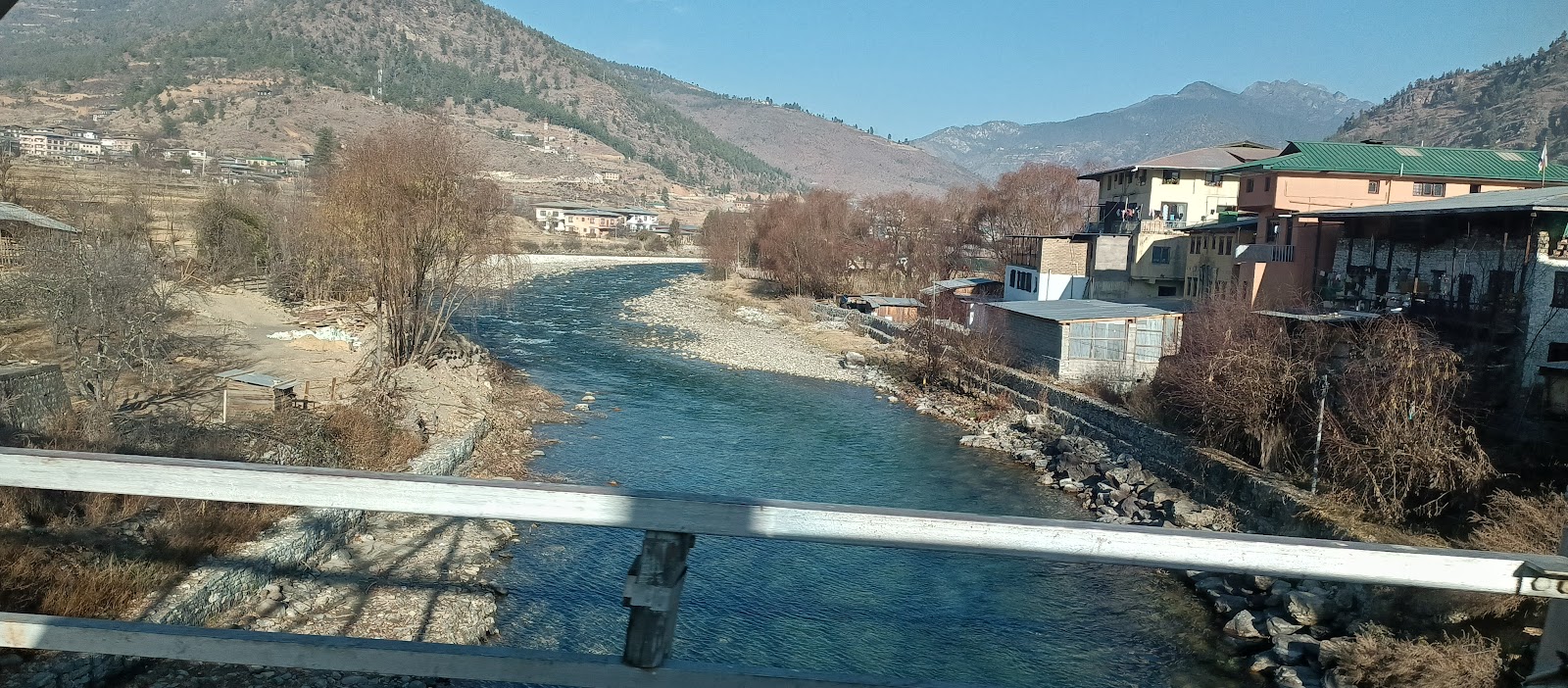
Paro is a beautiful district located in the western part of Bhutan. It is a popular tourist destination due to its stunning landscapes and historical landmarks. But before you plan your trip, it's important to know about the language spoken in Paro Bhutan.
The official language of Bhutan is Dzongkha and it is also the most widely spoken language in Paro. Dzongkha is a Sino-Tibetan language and is written using the Tibetan script. It is one of the unique languages in the world that has been able to maintain its purity and originality.
While Dzongkha is the national language, there are also other languages spoken in Paro. These include:
Tshangla is another widely spoken language in Paro. It is a language that belongs to the Bodish branch of the Sino-Tibetan language family. It is spoken by the Tshanglas, who are one of the largest ethnic groups in Bhutan.
Lhotshamkha is spoken by the Lhotshampas, who are Bhutanese people of Nepali origin. It is a language that is heavily influenced by Nepali and is spoken mainly in the southern parts of Bhutan, including Paro.
English is also spoken in Paro, especially in areas that are frequented by tourists. It is the medium of instruction in schools and is also used in official communication.
Paro is a district that is rich in culture and tradition. Knowing the language spoken in Paro Bhutan can help you to better appreciate the local customs and connect with the people. While Dzongkha is the national language, there are other languages spoken in Paro, including Tshangla, Lhotshamkha, and English.
Discovering Paro: Uncovering the Town's Name
Paro is a small town located in the western part of Bhutan. It is famous for its stunning landscapes, historical landmarks, and cultural heritage. The town has a population of around 12,000 people, and it is one of the major tourist attractions in the country.
The name Paro has an interesting history. It is believed that the town was named after a legendary demoness who used to reside in the area. According to the legend, the demoness was causing havoc, and people were living in constant fear. The local deity, Tamdrin, decided to take action and defeated the demoness in a fierce battle. After her defeat, the demoness begged for mercy and promised to protect the town from all harm. The deity agreed and gave her the name "Paaro", which means "protector."
Another theory suggests that the name Paro comes from the Sanskrit word "Pāram", which means "mountain pass." The town is located in a valley surrounded by mountains, and it is the site of the only international airport in Bhutan. The airport is known for its challenging landing and takeoff due to the surrounding mountainous terrain.
Regardless of its origin, the name Paro has become synonymous with beauty, culture, and heritage in Bhutan. The town is home to several historic landmarks, including the famous Paro Taktsang monastery, also known as the Tiger's Nest. The monastery is perched on a cliff 900 meters above the valley floor and is one of the most iconic landmarks in Bhutan. Paro is also known for its vibrant festivals, including the Paro Tsechu, which is held annually in the spring.
In conclusion, Paro is a unique and picturesque destination in Bhutan that offers visitors an opportunity to immerse themselves in the country's rich cultural heritage and natural beauty. The town's historic landmarks, including the Paro Dzong and the Taktsang Monastery, are a testament to Bhutan's rich Buddhist traditions and history. Paro's stunning landscape, with its lush forests, crystal-clear rivers, and snow-capped mountains, also makes it an ideal destination for outdoor enthusiasts looking to explore Bhutan's natural wonders. Whether you're interested in cultural tourism or outdoor adventure, Paro is a must-visit destination for anyone looking to experience the best of Bhutan.