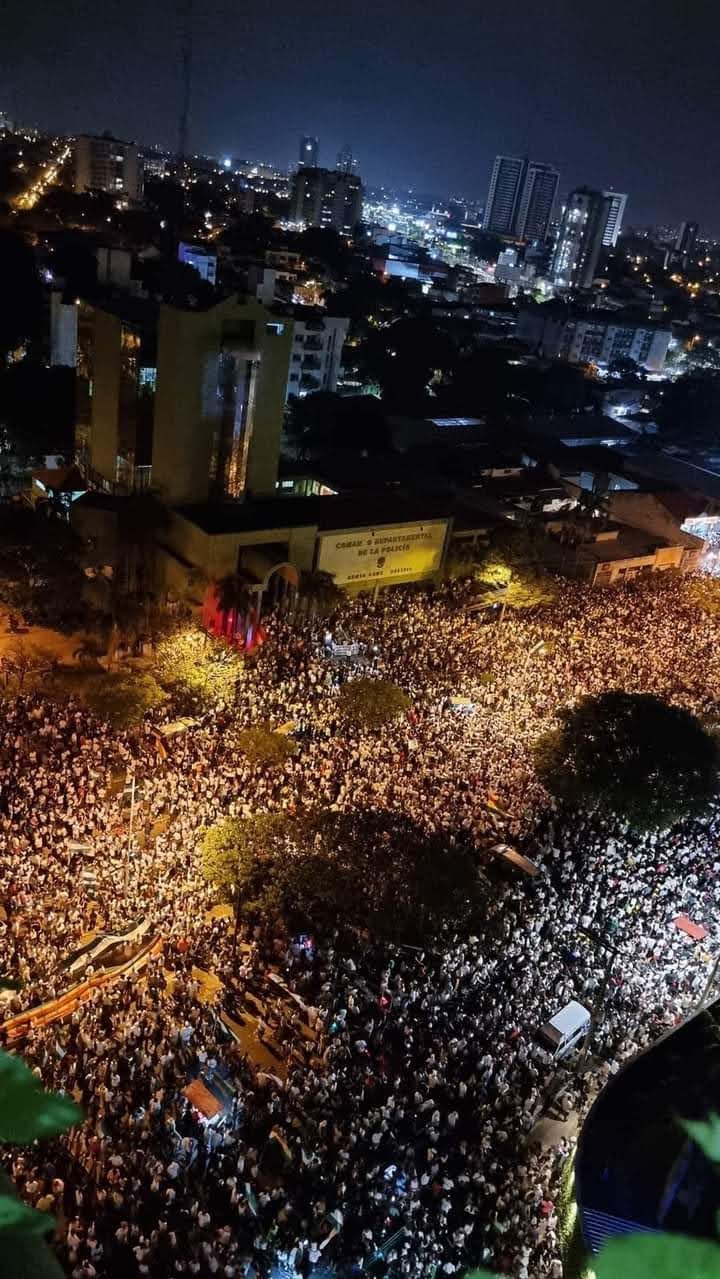
Five Star Hotels in Santa Cruz de la Sierra


Hotels Five Stars
Unparalleled luxury and sophistication.
See all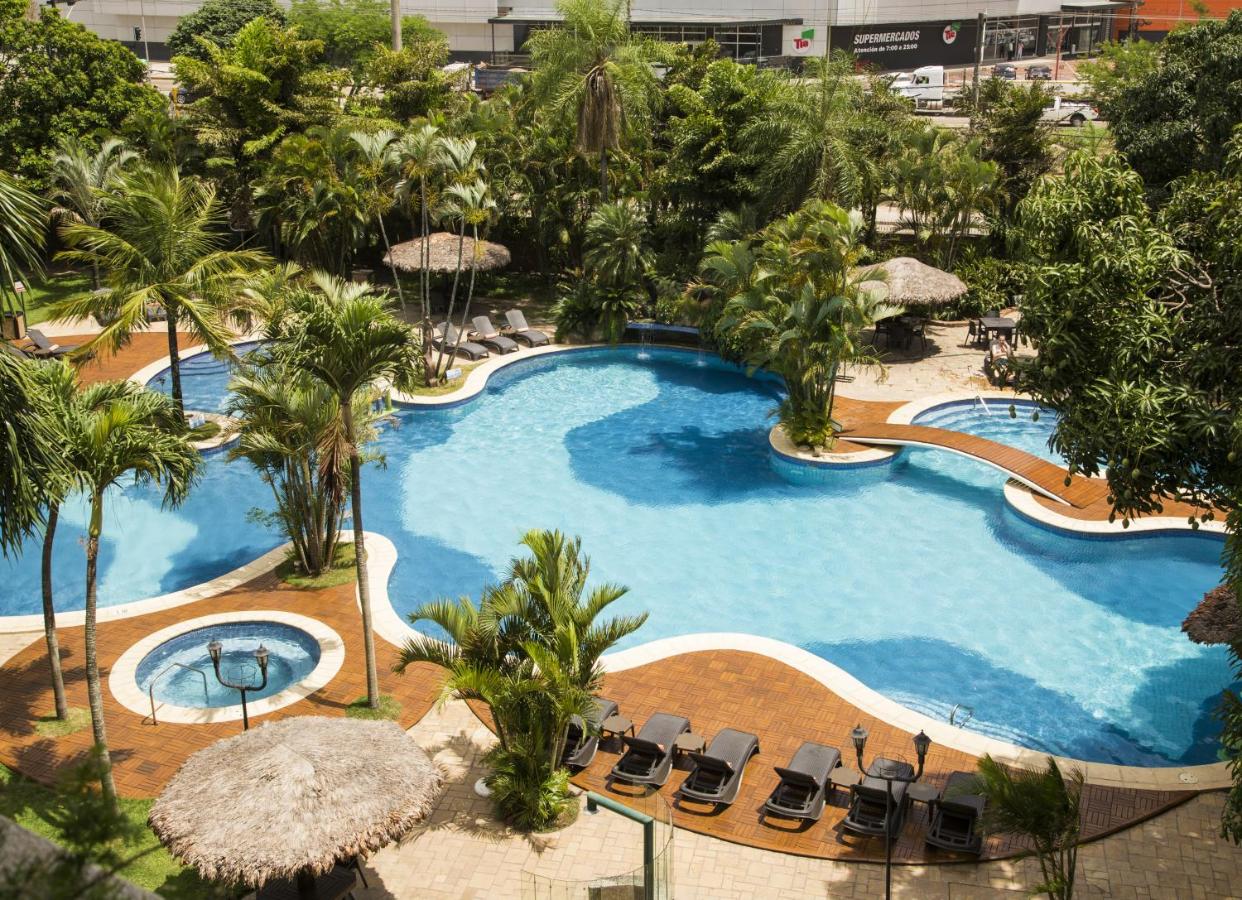
Hotel Camino Real
8.8
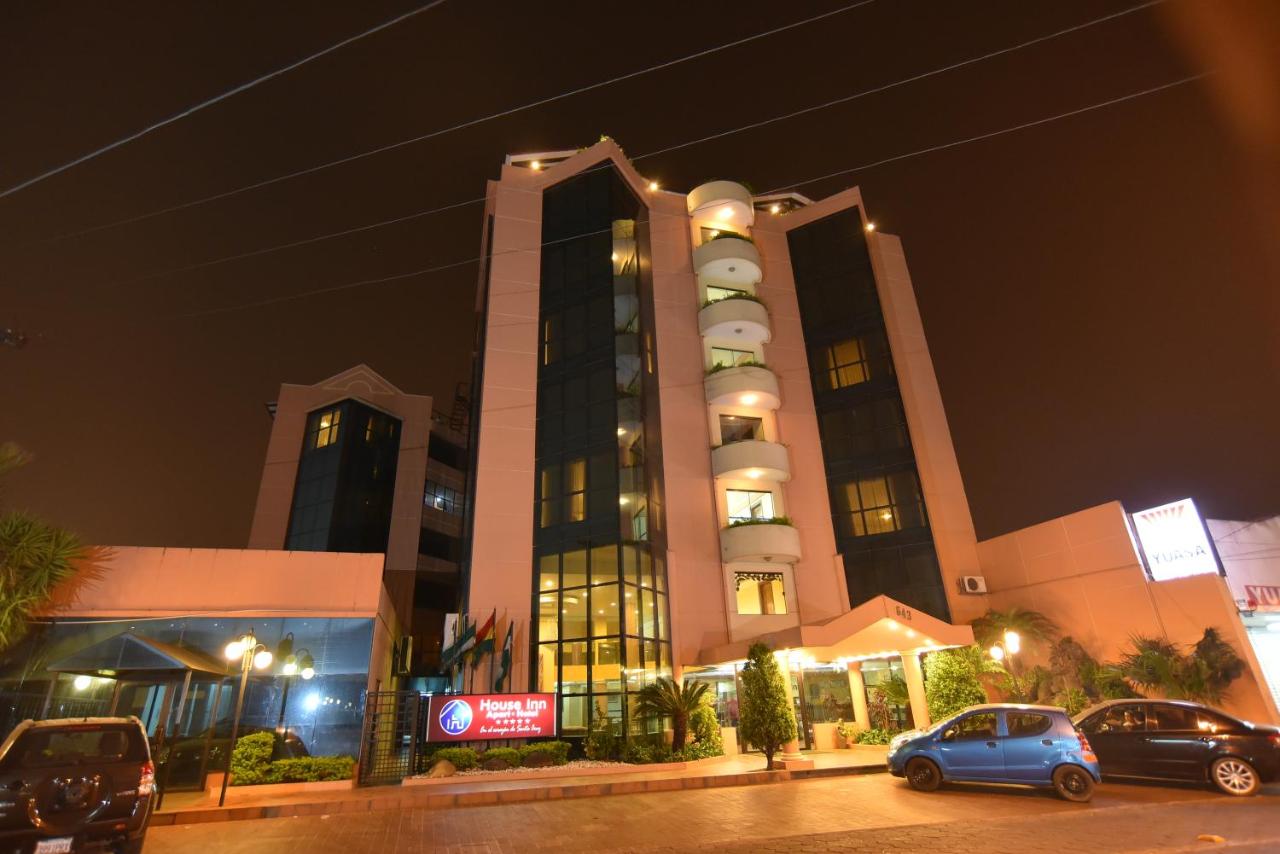
House Inn Apart Hotel
8.2
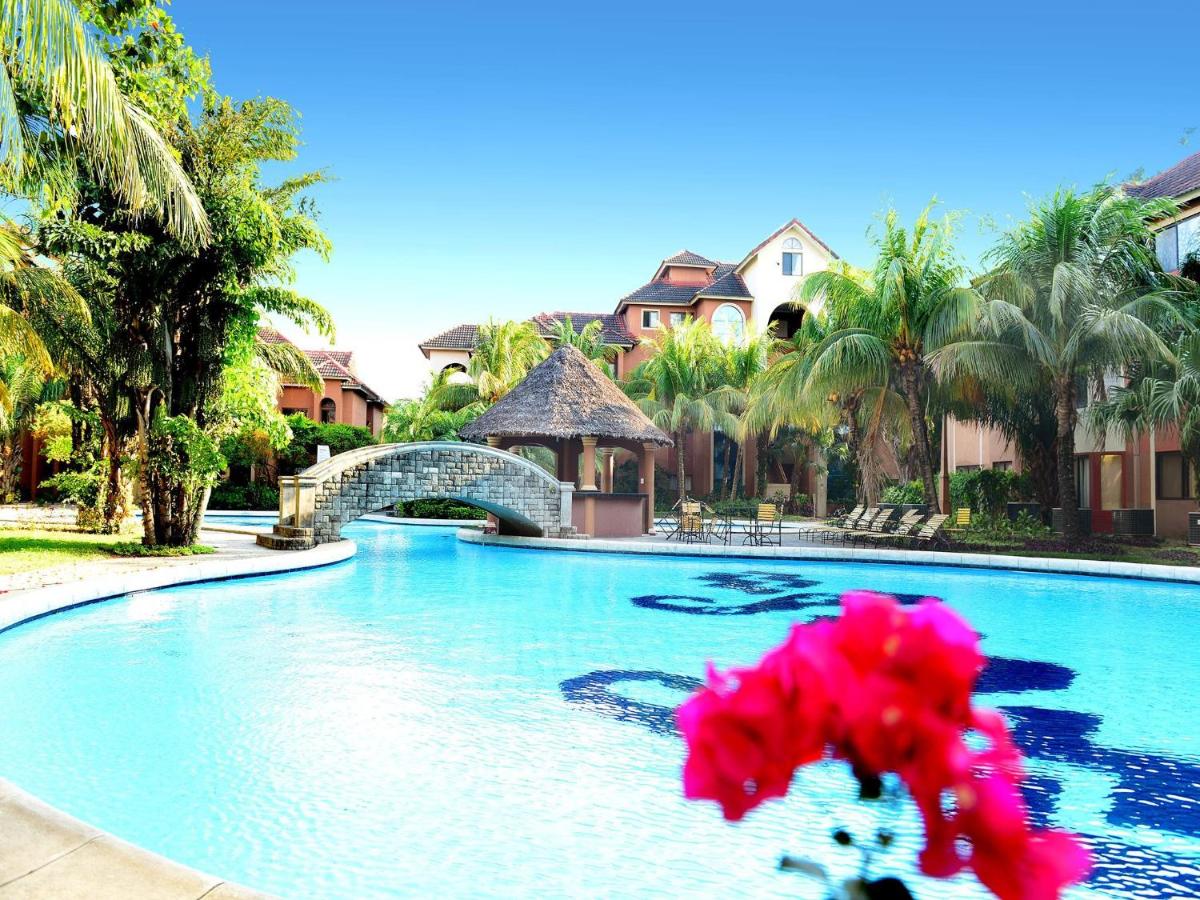
Buganvillas Hotel Suites
7.4
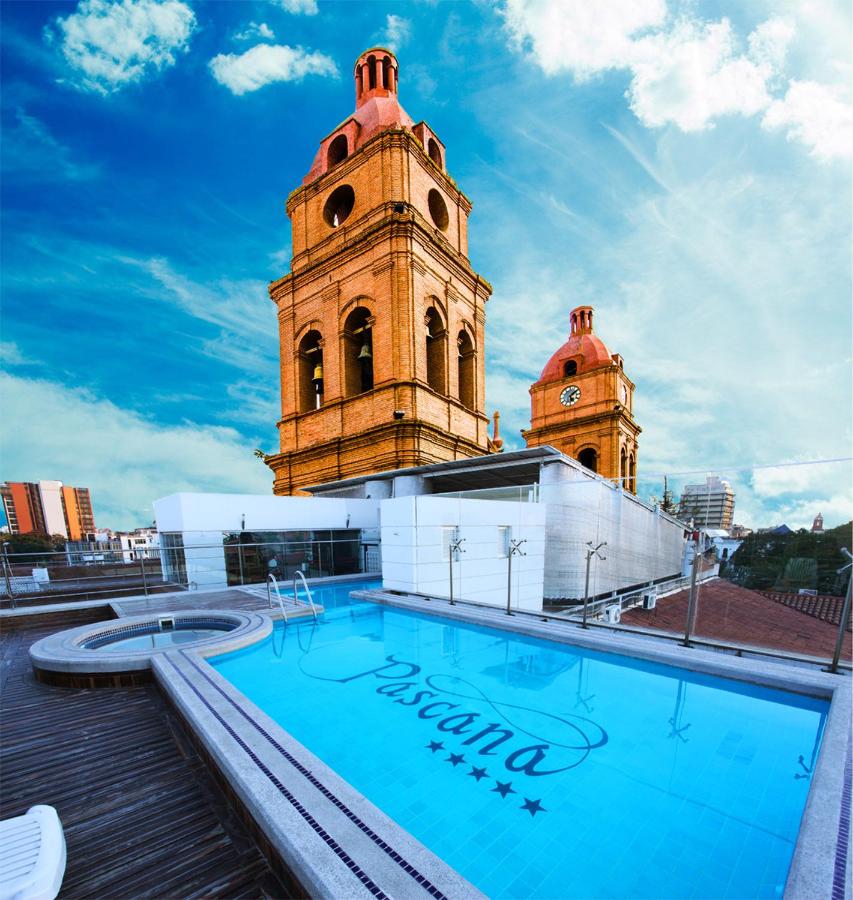
Senses Hotel Boutique Plaza
7.3

Sun Hotel
7.7
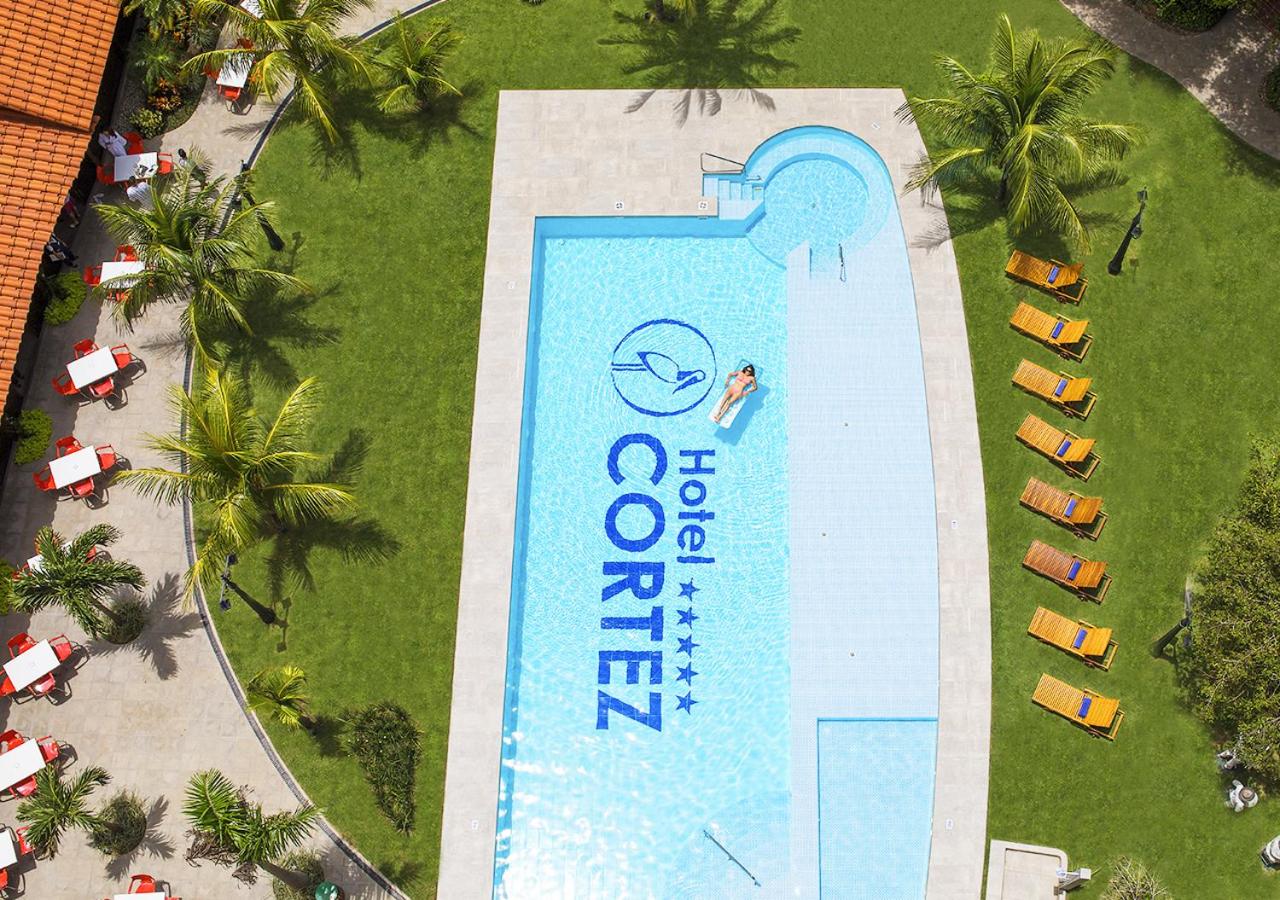
Hotel Cortez
8.9
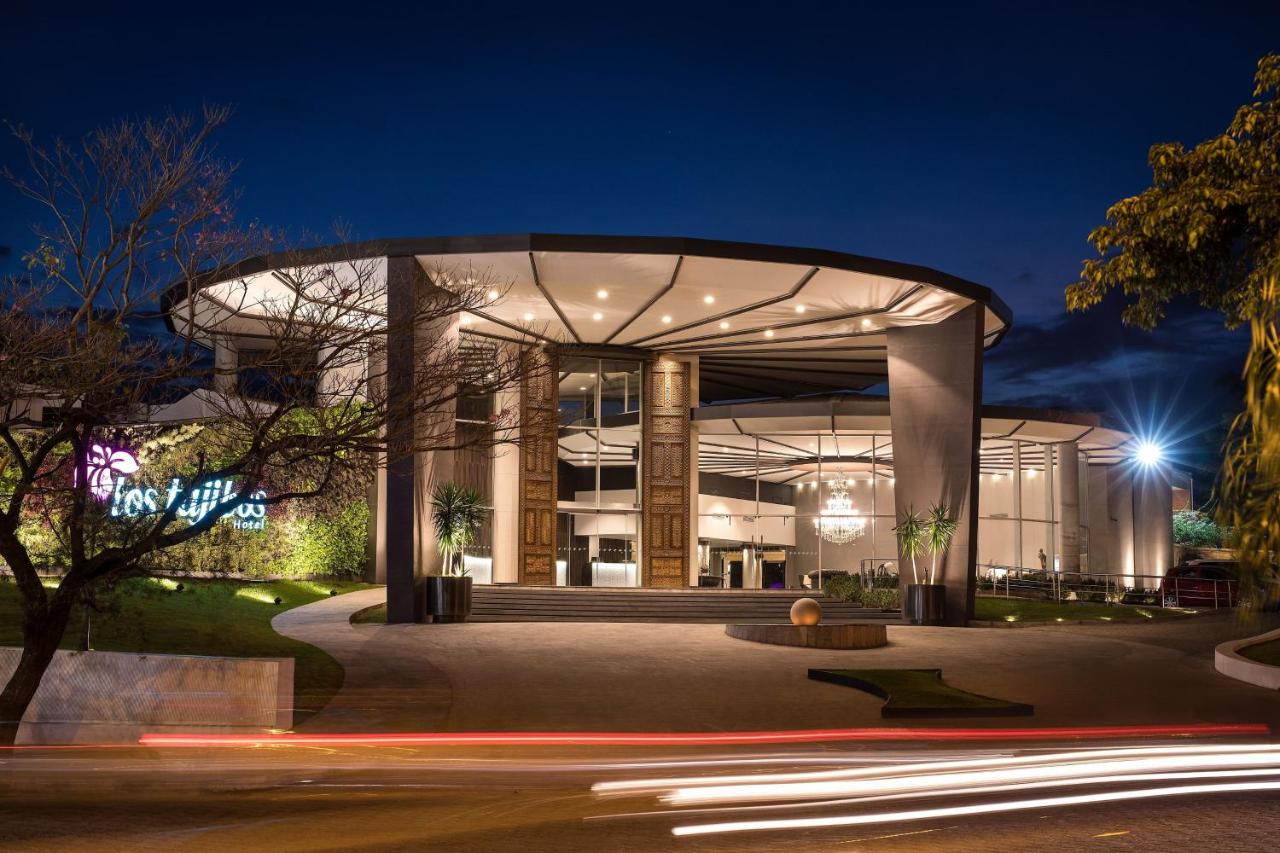
Los Tajibos, Santa Cruz de la Sierra, a Tribute Portfolio Hotel
8.7
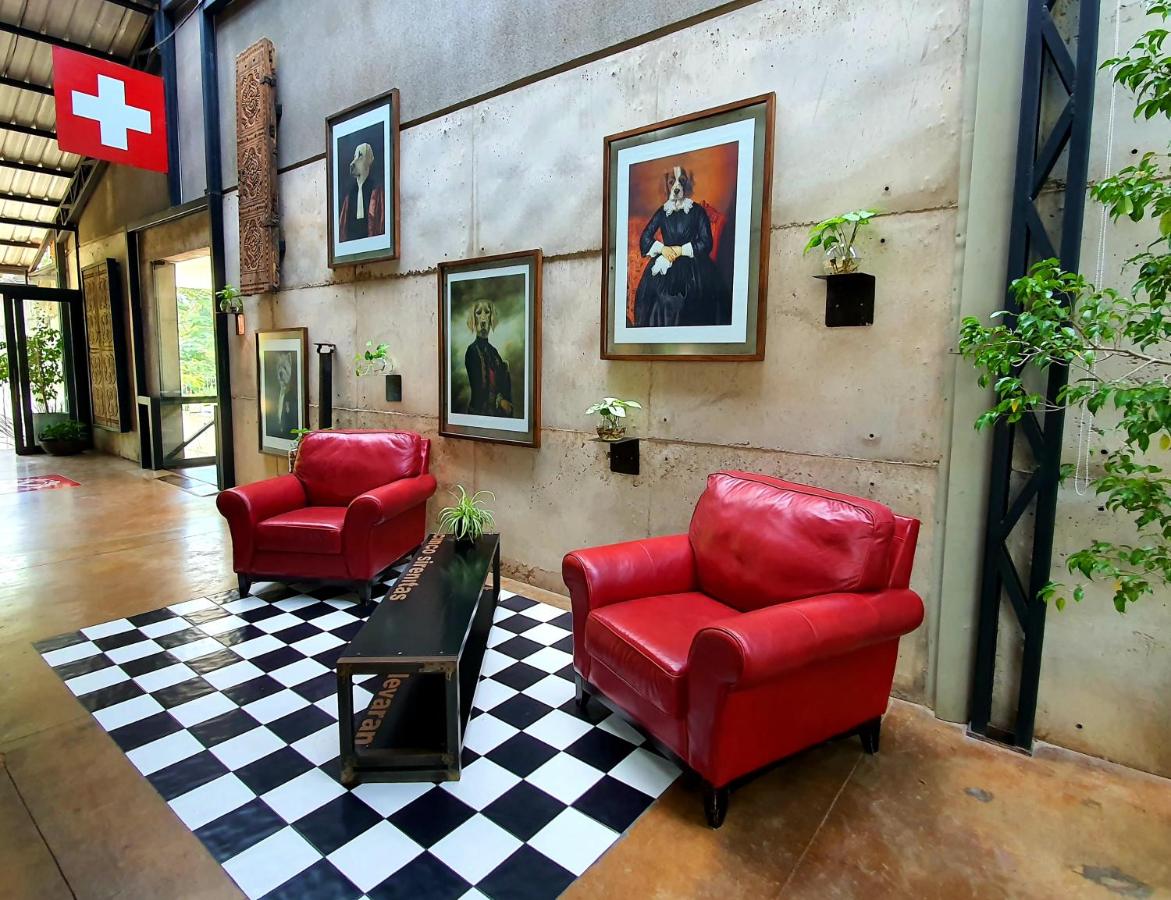
Alfonsina Hotel Boutique
9.4
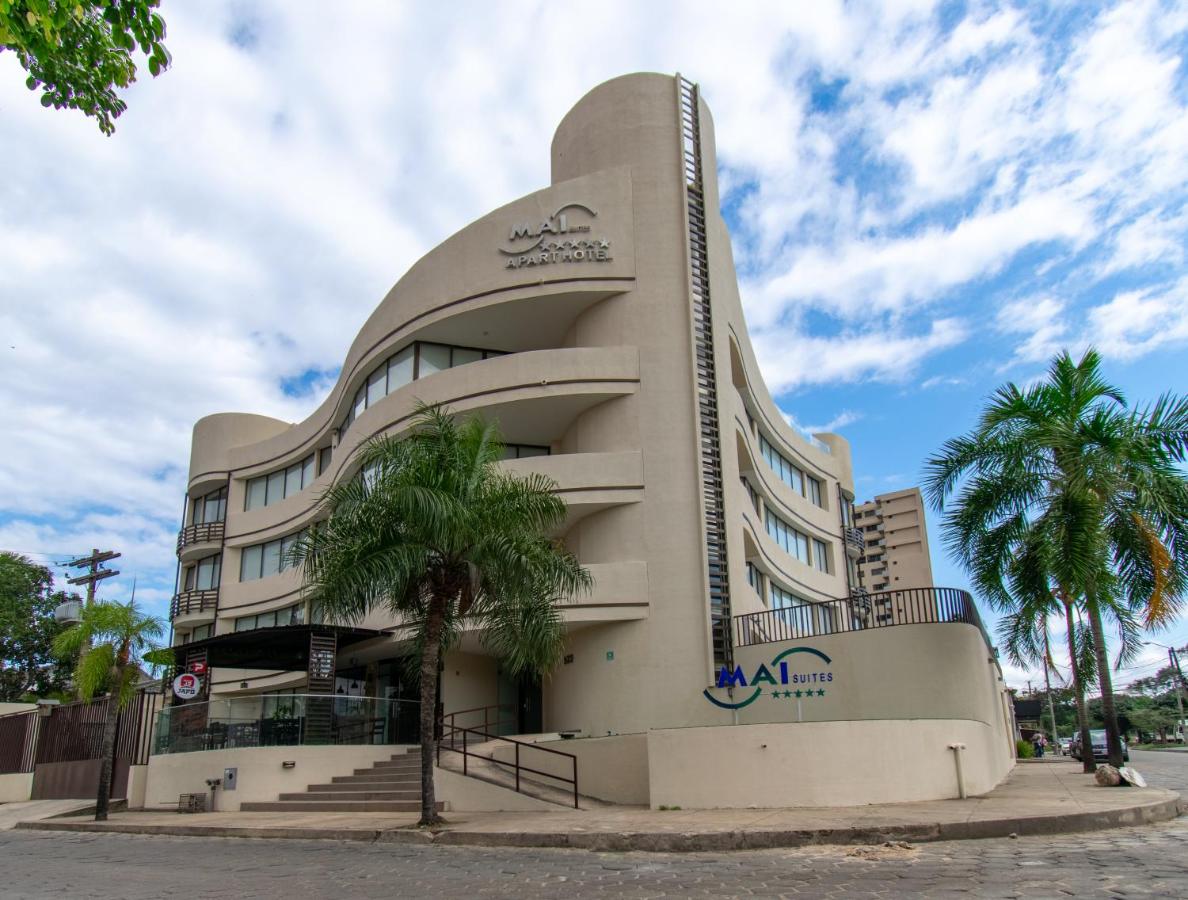
Mai Suites Apart Hotel
8.7

Hampton by Hilton Santa Cruz
8.9
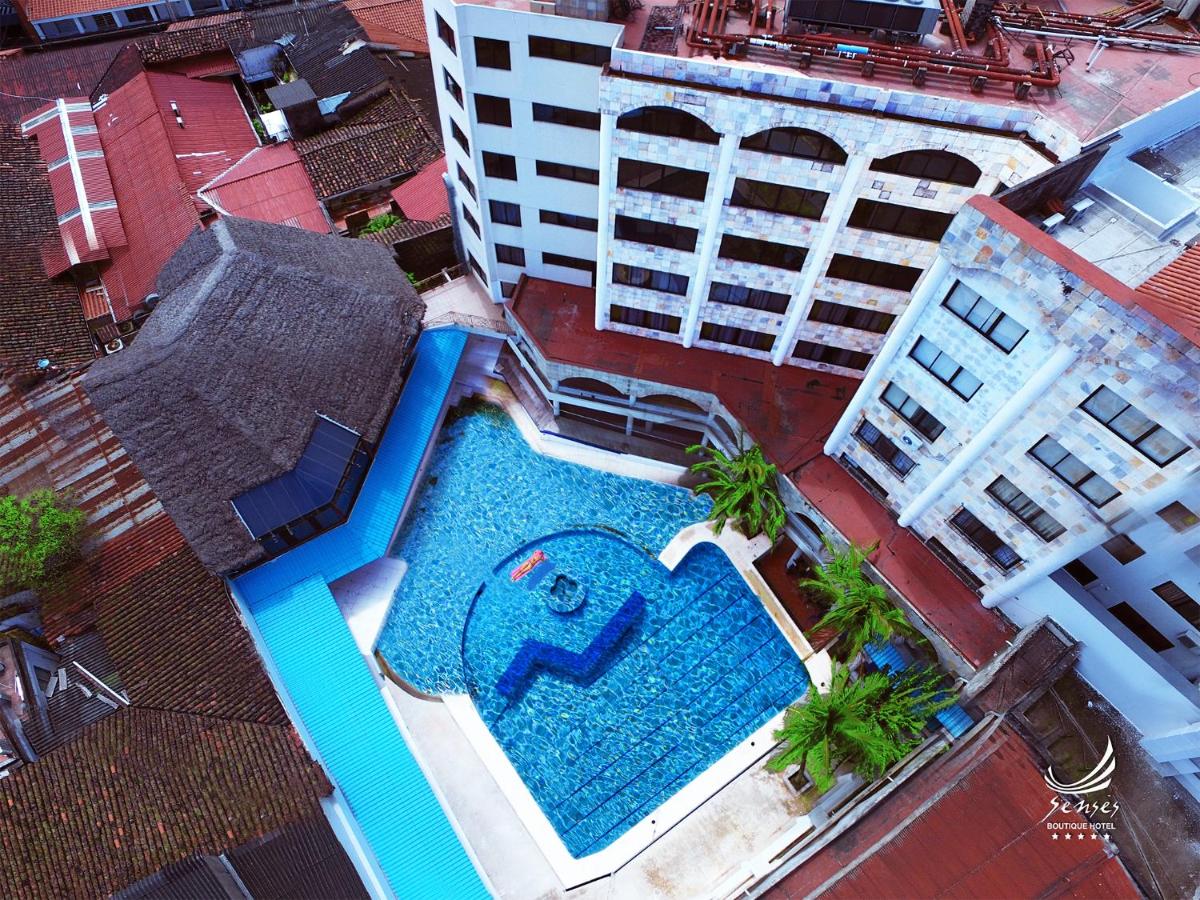
Hotel Senses Centro
7.3

Cosmopolitano Hotel Boutique
9.1
About the city
Nestled in the heart of South America, Santa Cruz de la Sierra boasts a diverse cultural history that dates back centuries. The city is home to a mix of indigenous and Spanish colonial influences, which can be seen in the architecture and local traditions.
One of the most popular attractions in Santa Cruz de la Sierra is the Plaza 24 de Septiembre. This square is located in the center of the city and is surrounded by historic buildings and statues. It's a great place to take a stroll, grab a bite to eat at one of the many restaurants, or simply people-watch.
For those interested in history, the Santa Cruz Museum of History is a must-visit. The museum is housed in a beautiful colonial building and showcases the city's rich cultural heritage. You'll find exhibits on everything from pre-Columbian civilizations to the city's role in Bolivia's fight for independence.
If you're looking for a little adventure, head to the Amboró National Park. This protected area covers over 4,000 square kilometers of rainforest and is home to a diverse range of flora and fauna. You can take a guided tour or hike through the park on your own.
Finally, don't leave Santa Cruz de la Sierra without trying some of the local cuisine. Bolivian cuisine is a mix of indigenous and Spanish flavors, and there are plenty of delicious dishes to try. Some favorites include salteñas (a type of savory pastry), pique a lo macho (a spicy meat dish), and chicha (a fermented corn drink).
Why Bolivia Became a Plurinational State
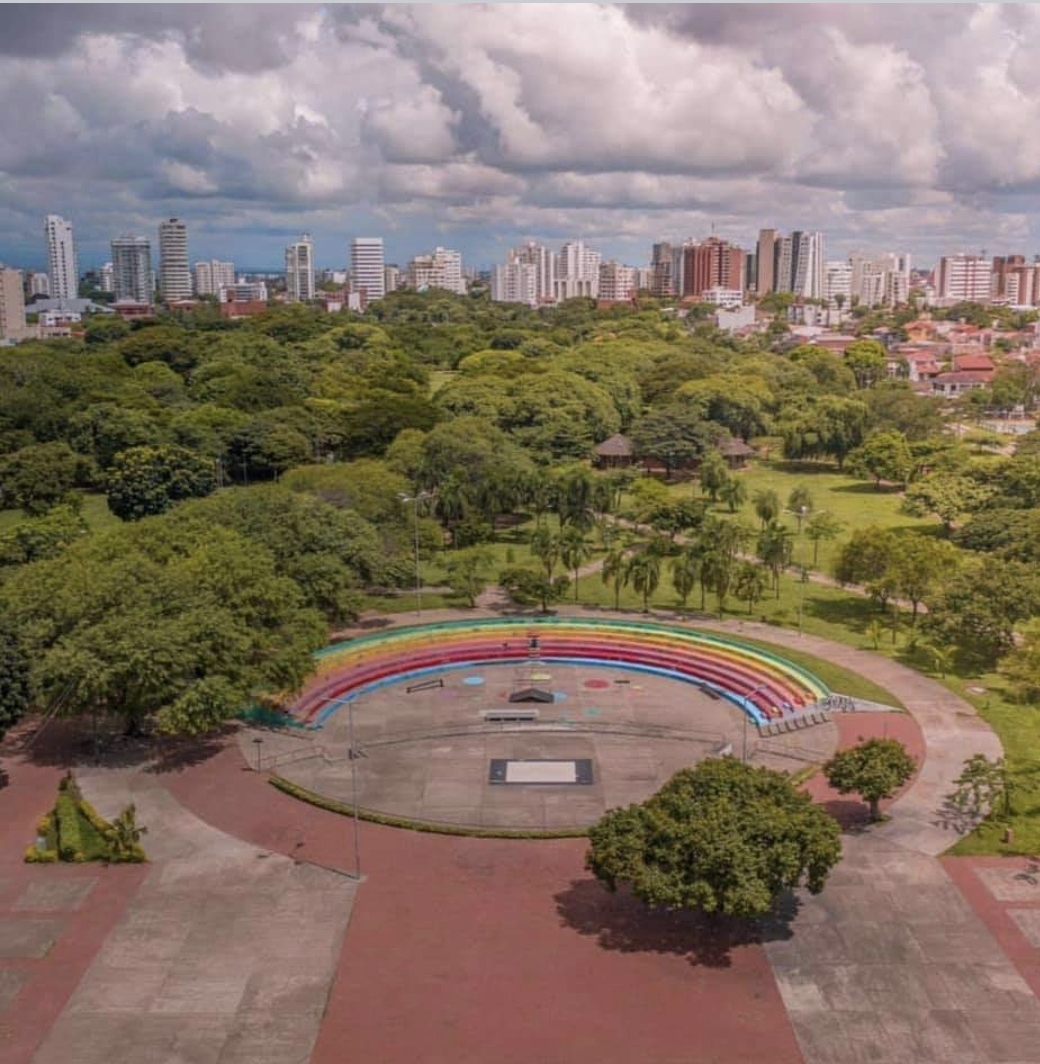
The Plurinational State of Bolivia is a country with a diverse cultural and ethnic population. One of the regions that reflect this diversity is Santa Cruz de la Sierra.
In the past, Bolivia was known as a country with a homogenous population, mainly composed of indigenous people and mestizos. However, with the rise of Santa Cruz de la Sierra as a major economic center in the country, the region attracted different ethnic groups from neighboring countries, such as Brazil and Argentina.
This migration wave brought new cultures and languages to the region, creating a more diverse and pluralistic society. However, this diversity was not always recognized by the Bolivian government, which historically favored the interests of the Andean region and neglected the needs of the eastern lowlands.
In 2006, Evo Morales became the first indigenous president of Bolivia and launched a political project aimed at empowering marginalized communities and recognizing the country's diversity. Morales proposed a new constitution that recognized Bolivia as a Plurinational State, acknowledging the existence of different cultures, languages, and traditions within its borders.
This new vision of Bolivia was particularly significant for regions like Santa Cruz de la Sierra, which had long felt excluded from the political and economic decision-making process of the country. The new constitution granted more autonomy to the regions and recognized the rights of indigenous people and other minority groups.
Today, Santa Cruz de la Sierra is one of the most prosperous and dynamic cities in Bolivia, attracting investors and tourists from all over the world. Its cultural diversity is now seen as an asset, and the city has become a hub for different artistic and cultural expressions.
The Plurinational State of Bolivia represents a new chapter in the country's history, one that recognizes its diversity and aims to build a more inclusive and just society. Santa Cruz de la Sierra is a testament to the richness and resilience of Bolivia's cultural mosaic.
Significance of Santa Cruz de la Sierra in Bolivia
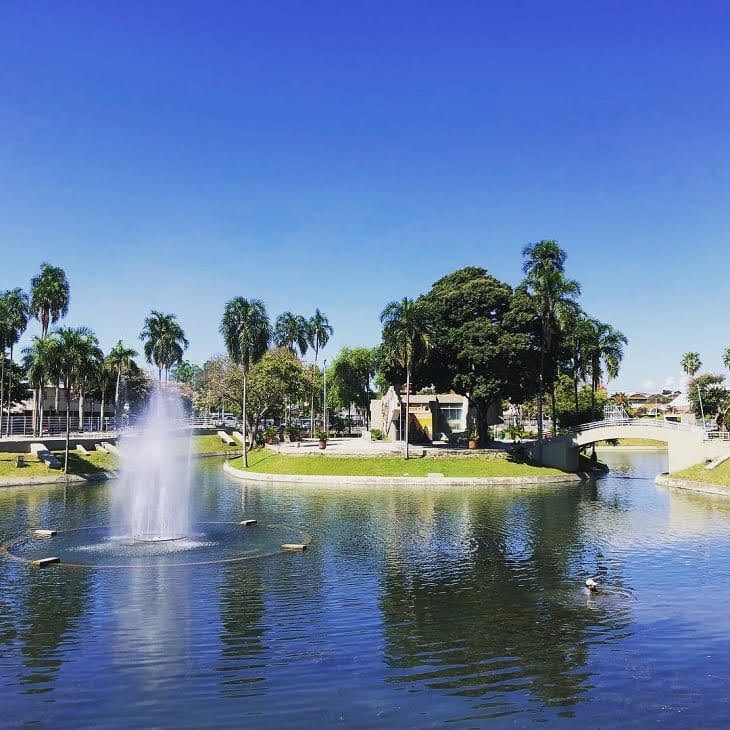
Santa Cruz de la Sierra is the largest city in Bolivia and the capital of the department of Santa Cruz. It is located in the eastern part of the country and is one of the fastest-growing cities in South America. The city has a rich history and culture, and is known for its vibrant music and dance scene, delicious food, and friendly people.
One of the main reasons for Santa Cruz de la Sierra's significance is its location. The city is situated near the border with Brazil, which makes it an important hub for trade and commerce. It is also close to other countries in the region, such as Argentina and Paraguay. This strategic location has led to the city's rapid growth and development in recent years, and it is now one of the most important economic centers in Bolivia.
Santa Cruz de la Sierra is also home to a diverse population. The city has a mix of indigenous people, mestizos, and immigrants from other parts of Bolivia and South America. This multiculturalism has contributed to the city's unique identity and has helped to shape its culture and traditions.
The city is also an important cultural center. It is home to numerous museums, art galleries, theaters, and cultural centers that showcase the region's history and traditions. Santa Cruz de la Sierra is also known for its vibrant music and dance scene, with many popular styles of music originating from the city and the surrounding region.
Finally, Santa Cruz de la Sierra is an important gateway to Bolivia's natural wonders. The city is located near several national parks and reserves, including Amboró National Park and Noel Kempff Mercado National Park. These areas are home to a diverse range of flora and fauna, and are popular destinations for ecotourism and outdoor activities.
Bolivia's Plurinational Identity: A Unique Blend
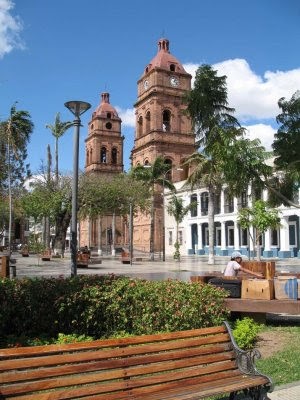
Located in the eastern part of Bolivia, Santa Cruz de la Sierra is the largest city in the country and a hub of economic activity. However, what makes Santa Cruz de la Sierra, and Bolivia as a whole, unique is its plurinational identity.
Plurinational identity refers to the recognition and celebration of the diverse cultures and ethnicities that make up Bolivia. Unlike many other countries that have a dominant culture or language, Bolivia recognizes its 36 indigenous nations and their languages, alongside Spanish, as official languages. This recognition is enshrined in the country's constitution, which was adopted in 2009.
In Santa Cruz de la Sierra, this plurinational identity is evident in the city's vibrant cultural scene. The city is home to numerous festivals and celebrations throughout the year, including the Festival Internacional de la Cultura (International Festival of Culture) and the Feria Exposición (Exhibition Fair). These events showcase the diversity of Bolivia's cultural heritage and promote cross-cultural understanding.
Furthermore, Santa Cruz de la Sierra is known for its cuisine, which reflects the fusion of indigenous and Spanish influences. Dishes such as majadito, a rice and beef dish, and sopa de maní, a peanut soup, are staples of Bolivian cuisine. The city's markets are also a testament to its cultural diversity, with vendors selling traditional crafts, textiles, and food from different regions of the country.
However, Bolivia's plurinational identity is not just about celebrating diversity. It also involves addressing historical injustices and promoting social inclusion. The country's constitution recognizes the rights of indigenous peoples to their ancestral lands and resources, and promotes their participation in political decision-making.
Discover Santa Cruz Bolivia's State: Location & Facts
Santa Cruz de la Sierra is the largest city in Bolivia, located in the eastern part of the country. It is the capital of the Santa Cruz department and is one of the fastest-growing cities in South America. The city is well-known for its tropical climate, modern infrastructure, and vibrant cultural scene.
The location of Santa Cruz de la Sierra is strategic, making it an important commercial and economic center in Bolivia. The city is situated in the middle of the country's agricultural region, which produces a variety of crops, including soybeans, sugar, and cotton. The city is also a hub for transportation, with major highways and an international airport connecting it to other parts of Bolivia and neighboring countries.
The city's population is diverse, with a mix of indigenous, European, and mestizo (mixed race) people. Santa Cruz de la Sierra is known for its friendly and welcoming culture, making it a popular destination for travelers from around the world.
Some of the top attractions in Santa Cruz de la Sierra include the Plaza 24 de Septiembre, which is the main square in the city and is surrounded by colonial-style buildings and cafes. The city also has several museums, including the Ethnographic Museum and the Sacred Art Museum. For those interested in nature, the Amboro National Park is located just outside the city and offers hiking trails and stunning views of the surrounding landscape.
In addition to its cultural and natural attractions, Santa Cruz de la Sierra is also an important business hub. The city is home to several multinational corporations, including Coca-Cola and Petrobras, and has a thriving entrepreneurship scene. The city also hosts several international trade fairs and conferences throughout the year, attracting visitors from all over the world.
In conclusion, Santa Cruz de la Sierra is a wonderful locality in Bolivia that offers a unique experience to its visitors. From its rich cultural heritage to its lush greenery, there is something for everyone to enjoy. Whether you are a history buff, an adventure seeker, or simply looking for a relaxing getaway, Santa Cruz de la Sierra has it all. The warm and welcoming locals add to the charm of the place, making it a must-visit destination in South America. So, pack your bags and head to Santa Cruz de la Sierra for an unforgettable experience.