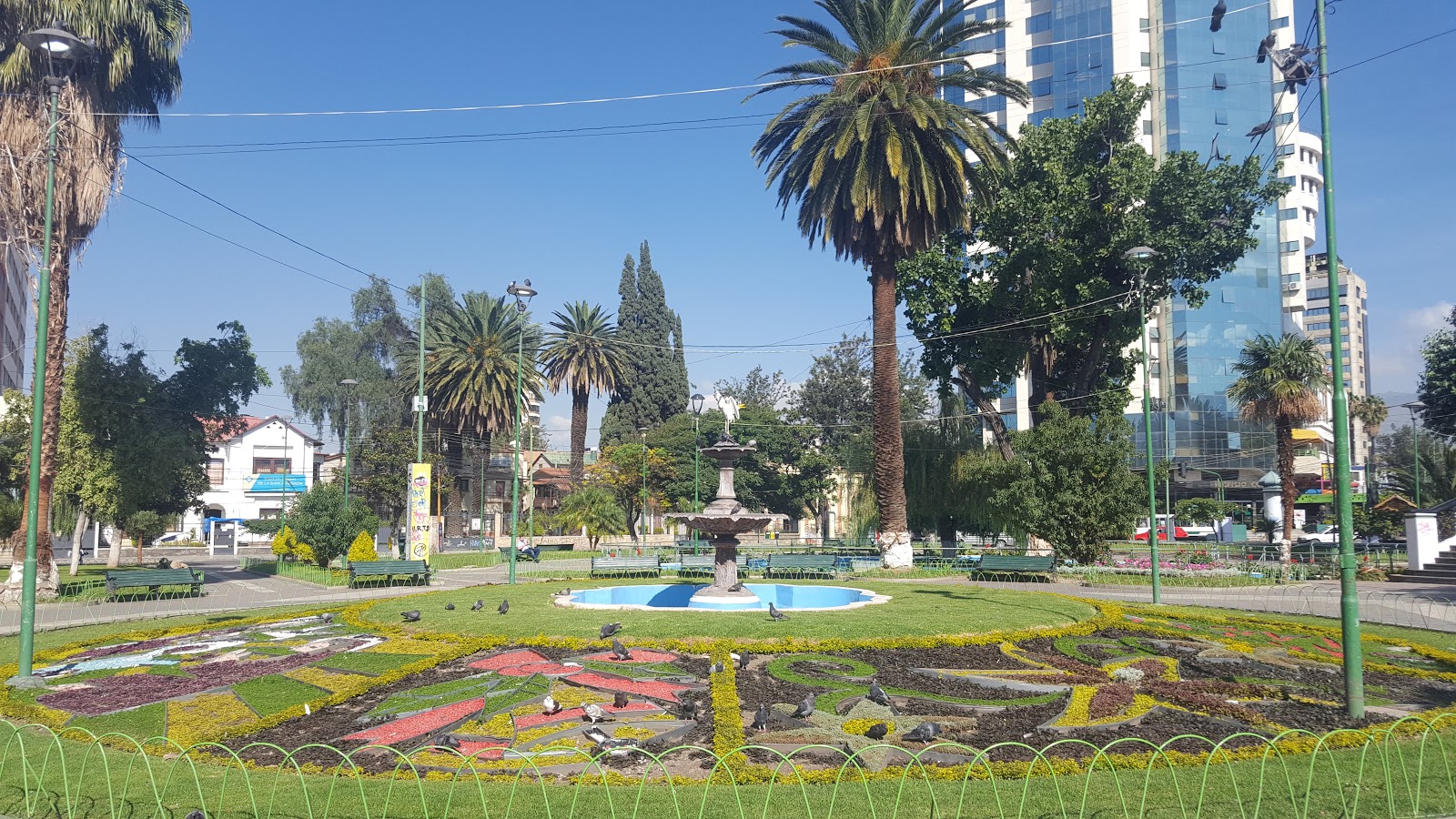
Five Star Hotels in Cochabamba


Hotels Five Stars
Unparalleled luxury and sophistication.
See all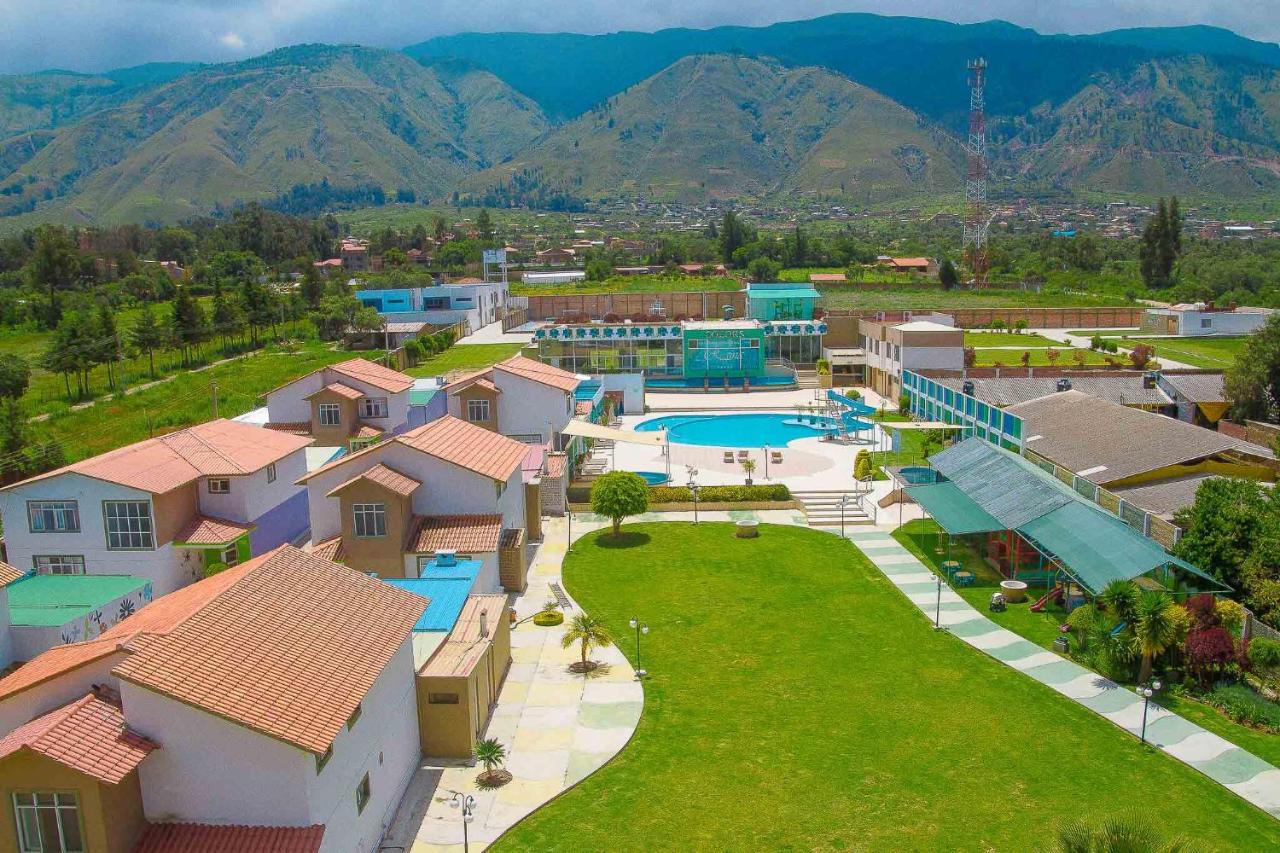





About the city
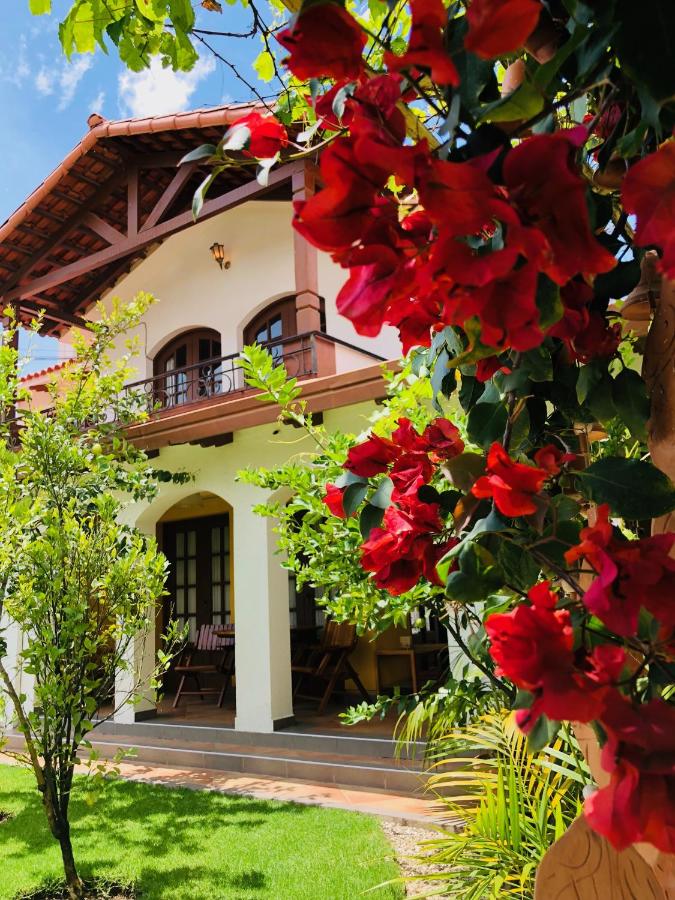
Cochabamba is known as the "City of Eternal Spring" due to its mild climate and lush vegetation. As the fourth largest city in Bolivia, Cochabamba offers a unique blend of modern amenities and traditional charm.
One of the most iconic landmarks in Cochabamba is the Cristo de la Concordia, a towering statue of Jesus Christ that overlooks the city from the top of San Pedro Hill. You can take a cable car ride up to the statue for breathtaking views of the surrounding mountains and valleys.
For a taste of local culture, visit the Feria de la Cancha, an open-air market where vendors sell everything from fresh produce to handmade crafts. The market is bustling with activity and offers a great opportunity to interact with the friendly locals.
Cochabamba is also home to numerous museums and historic sites, such as the Palacio Portales, a beautiful mansion that now serves as a museum showcasing the city's history and culture. The Museo Arqueologico also offers a fascinating look into the pre-Columbian history of the region.
For outdoor enthusiasts, Cochabamba is surrounded by stunning natural beauty, including the Tunari National Park and the Incachaca Waterfall. You can take a hike or bike ride through the park, or enjoy a picnic by the waterfall.
No trip to Cochabamba would be complete without trying the local cuisine, which is a delicious blend of indigenous, Spanish, and African influences. Be sure to sample traditional dishes like pique macho, a hearty meat and potato dish, and chicha, a fermented corn drink.
Understanding Bolivia's Plurinational Identity
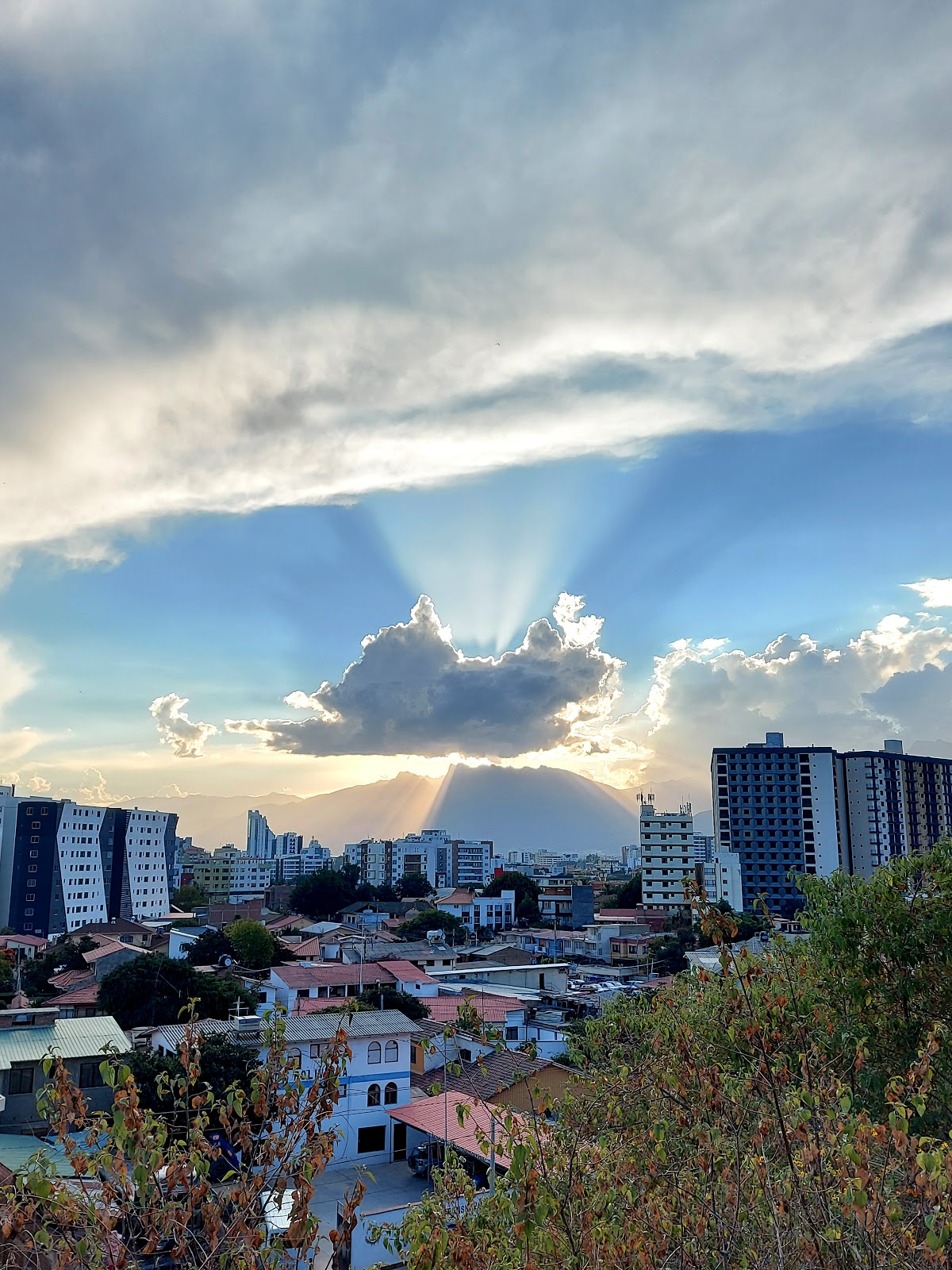
Bolivia, officially known as the Plurinational State of Bolivia, is a country located in South America. It is a country that is rich in culture, history, and diversity. One of the most unique aspects of Bolivia is its plurinational identity, which recognizes the many different indigenous groups that call the country home.
Cochabamba is a locality in Bolivia that is a perfect example of the country's plurinational identity. It is a city that is located in the central part of the country and is home to many different indigenous groups, including the Quechua and Aymara people.
The Quechua are the largest indigenous group in Bolivia, and they are known for their farming practices and traditional clothing. The Aymara people are known for their weaving and textiles, and they have a strong cultural presence in the region.
The city of Cochabamba is also home to many other indigenous groups, including the Guarani, Mojeño, and Chiquitano people. Each of these groups has their own unique language, customs, and traditions.
The recognition of Bolivia's plurinational identity is a relatively recent development. In 2009, the country adopted a new constitution that recognized the rights of indigenous people and their unique contributions to the country's culture and history.
This recognition has led to greater representation for indigenous people in government and other institutions. It has also helped to raise awareness about the importance of preserving indigenous languages and traditions.
In Cochabamba and other parts of Bolivia, there are many efforts underway to promote and preserve indigenous culture. This includes the establishment of cultural centers, the promotion of traditional music and dance, and the teaching of indigenous languages in schools.
The promotion of Bolivia's plurinational identity is an important step towards creating a more inclusive and diverse society. By recognizing and valuing the many different cultures and traditions that make up the country, Bolivia is working to create a brighter future for all of its citizens.
Bolivia's Plurinational Status: History and Significance
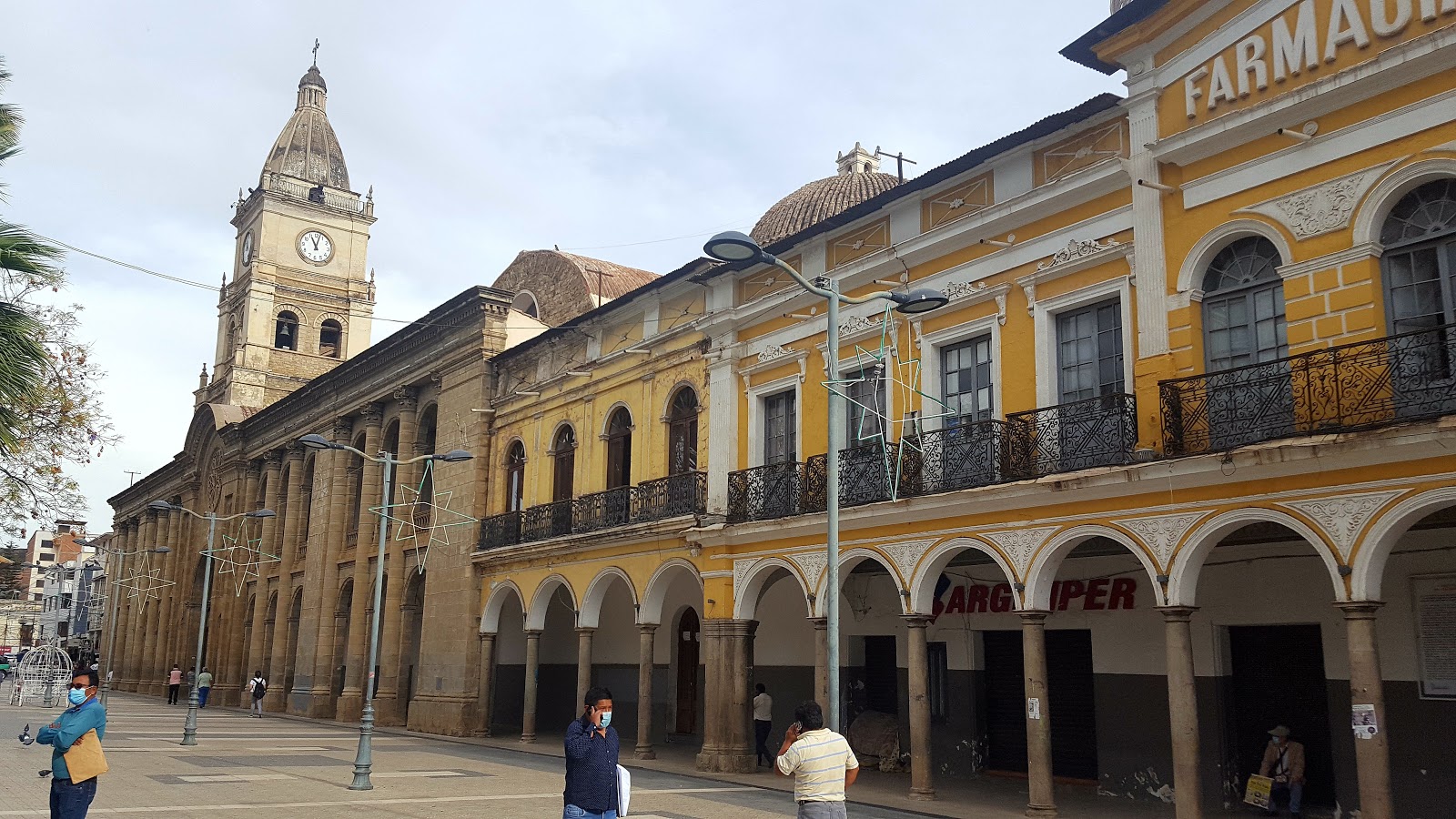
Bolivia, officially known as the Plurinational State of Bolivia, is a country located in South America. It is known for its diverse cultures and languages, which are recognized and protected under its Plurinational status. This status was established in 2009 under the leadership of President Evo Morales, who sought to recognize and empower the country's indigenous peoples and their traditions.
The Plurinational Status of Bolivia recognizes the country as a multiethnic, multicultural, and multilingual nation. It aims to promote the unity and equality of all Bolivians, regardless of their background or identity.
In Cochabamba, a city located in central Bolivia, the Plurinational status is significant due to its large indigenous population. The city is home to many Aymara and Quechua communities, who have long suffered from discrimination and marginalization. The Plurinational status has helped to empower these communities and give them a voice in national politics.
The Plurinational status has also led to the recognition of indigenous languages and cultures in education and government. Indigenous peoples are now able to receive education in their own languages, and government documents are now written in multiple languages.
Furthermore, the Plurinational status has helped to promote environmental conservation and sustainable development in Cochabamba. The city is known for its agricultural production, and the Plurinational status has helped to protect the rights of small farmers and promote sustainable agricultural practices.
Discover Cochabamba's State: Location and Facts
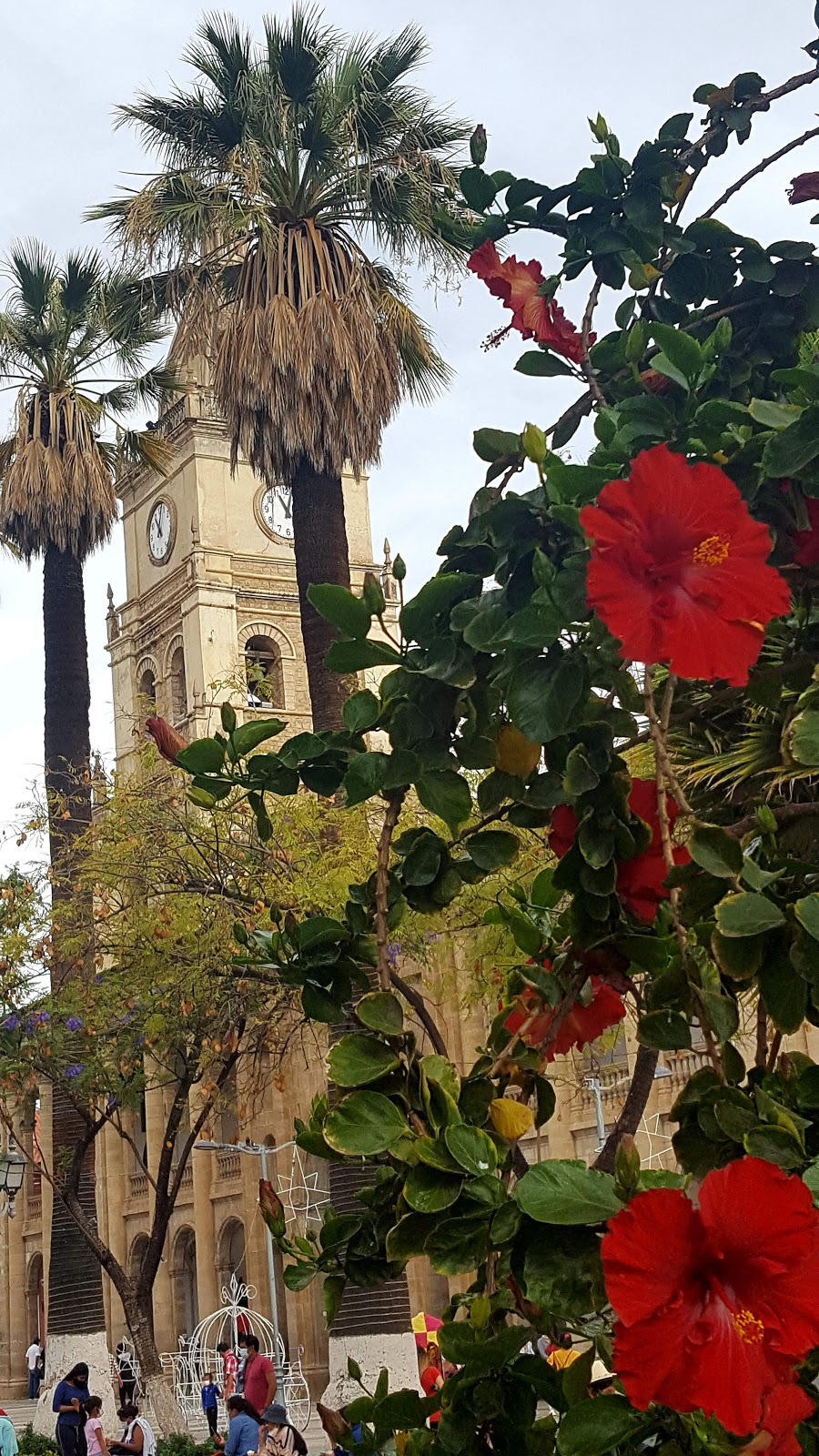
Cochabamba is a department (state) located in the central part of Bolivia (Plurinational State of), bordered by the departments of La Paz to the northwest, Beni to the northeast, Santa Cruz to the east, Chuquisaca to the south, and Oruro to the west. It is known as the "Heart of Bolivia" due to its central location and cultural significance.
The department covers an area of 55,631 square kilometers and has a population of over 2 million people. The capital city, also named Cochabamba, is the fourth largest city in Bolivia and is located in the valley of the same name.
Cochabamba is known for its mild climate, beautiful scenery, and rich cultural history. It is home to several important archaeological sites, including Tiwanaku, an ancient city that was once the center of a powerful pre-Columbian empire. The department is also famous for its traditional cuisine, which includes dishes such as pique macho, a hearty meat dish, and chicha, a fermented corn drink.
The economy of Cochabamba is primarily based on agriculture and manufacturing. The department is one of the largest producers of coca and coffee in Bolivia and is also known for its production of textiles, leather goods, and handicrafts. The city of Cochabamba is home to several universities and research centers, making it an important center for education and innovation in Bolivia.
Cochabamba has a rich cultural heritage and is home to several festivals and traditions that are celebrated throughout the year. The most famous of these is the Carnaval de Oruro, a colorful and vibrant festival that takes place in February and is recognized as a UNESCO Intangible Cultural Heritage of Humanity. Other important festivals include the Festival of the Virgin of Urkupiña, which takes place in August, and the Day of the Sea, which is celebrated in March.
Discover the Plurinational State: Which Country Holds This Official Title?
The Plurinational State of Bolivia is a landlocked country in South America, bordered by Brazil, Peru, Chile, Argentina, and Paraguay. One of the most vibrant and diverse regions in Bolivia is Cochabamba, a city located in the central part of the country.
What is the Plurinational State of Bolivia?
The Plurinational State of Bolivia is the official title of the country, as established by its 2009 Constitution. The term "plurinational" reflects the country's recognition of the diversity of its population, which includes 36 indigenous peoples and nations, each with its own culture, language, and traditions.
What makes Cochabamba special?
Cochabamba is known as the "Heart of Bolivia" due to its central location, and it is also home to a rich history of indigenous cultures. The city is surrounded by stunning natural landscapes, including the Andes Mountains and the Cochabamba Valley, which make it a popular destination for eco-tourists and adventure seekers. Additionally, Cochabamba is famous for its delicious cuisine, which includes dishes such as silpancho, pique macho, and chicha.
What are some of the must-see attractions in Cochabamba?
Cochabamba has something for everyone, from historic landmarks to modern art museums. Some of the top attractions in the city include:
In conclusion, Cochabamba is a unique locality in Bolivia that is rich in history, culture, and natural beauty. From the stunning landscapes of the Andes Mountains to the vibrant markets and festivals, visitors can experience the best of Bolivia in Cochabamba. Whether you are interested in exploring ancient ruins, hiking through the mountains, or indulging in delicious local cuisine, there is something for everyone in this fascinating city. So if you are planning a trip to South America, be sure to add Cochabamba to your list of must-visit destinations.