Five Star Hotels in Luanda


Hotels Five Stars
Unparalleled luxury and sophistication.
See all
About the city
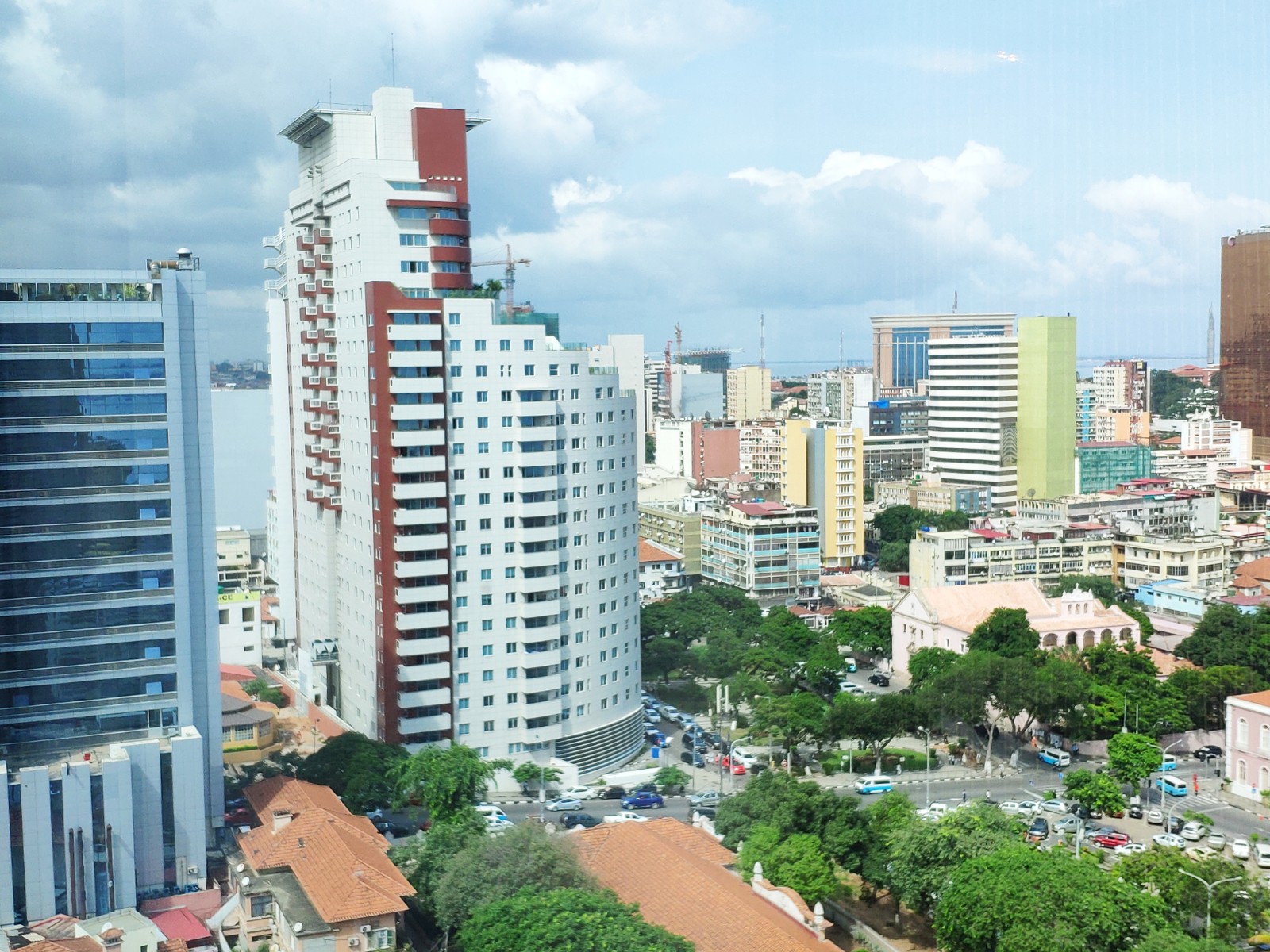
As you wander through the streets of Luanda, you will be captivated by the city’s unique blend of modern and traditional elements. The skyline is dominated by skyscrapers, but you’ll also find colonial-style buildings and colorful markets.
One of the most iconic landmarks in Luanda is the Fortress of São Miguel, a historic Portuguese fortress that dates back to the 16th century. It’s a must-visit spot for history buffs and offers breathtaking views of the city and the Atlantic Ocean.
Another highlight of Luanda is the Mausoleum of Agostinho Neto, a stunning monument dedicated to Angola’s first president. The monument is an architectural marvel and a symbol of the country’s struggle for independence.
If you’re looking for a taste of Luanda’s vibrant culture, head to the Benfica Market. Here, you can immerse yourself in the sights, sounds, and flavors of Angola. From fresh seafood to handmade crafts, you’ll find everything you need to experience the local culture.
Finally, no trip to Luanda is complete without a visit to the Ilha do Cabo Beach. This stunning beach offers crystal-clear waters and white sand beaches, making it the perfect spot for swimming, sunbathing, and relaxing.
Luanda's Wealth Status: Rich or Poor?
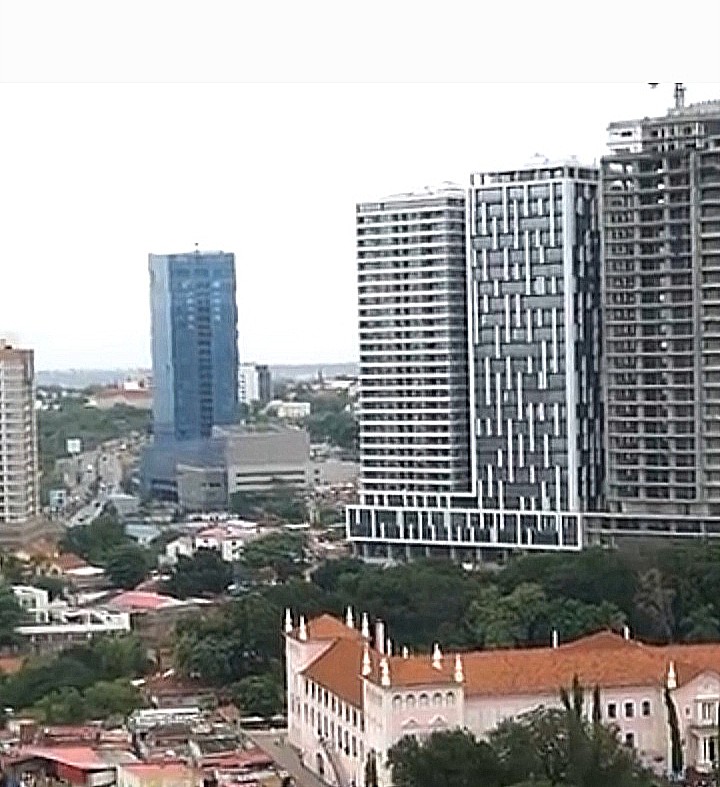
Luanda is the capital and largest city of Angola, a country located in southern Africa. It is also the country's primary port and administrative center. Luanda has a population of approximately 8 million people, making it one of the fastest-growing cities in the world. Despite its rapid growth, the city has been facing economic challenges that have affected its wealth status.
Luanda is considered one of the most expensive cities in the world, according to Mercer's 2020 Cost of Living Survey. This is due to the high cost of housing, transportation, and food. The city has a shortage of affordable housing, which has led to a significant increase in rental prices. The cost of transportation is also high due to the fact that Luanda has limited public transport infrastructure. This means that most people rely on private vehicles, which can be expensive to maintain.
Despite its high cost of living, the majority of Luanda's population lives in poverty. The city has a Gini coefficient of 42.7, which is one of the highest in the world. This means that there is a significant wealth gap between the rich and poor. The wealthy population of Luanda lives in gated communities and luxury apartments, while the poor live in crowded slums and informal settlements. The lack of basic infrastructure, such as clean water and sanitation, also contributes to the poverty of the city's residents.
One of the main reasons for Luanda's economic challenges is its heavy reliance on oil revenue. Angola is one of the largest oil-producing countries in Africa, and oil accounts for 90% of the country's exports. However, the country has been facing a decline in oil prices, which has affected its economy. This has led to a decrease in government spending, making it difficult for the city to invest in infrastructure and social development.
Discover the Charm of Luanda Angola: Top Attractions
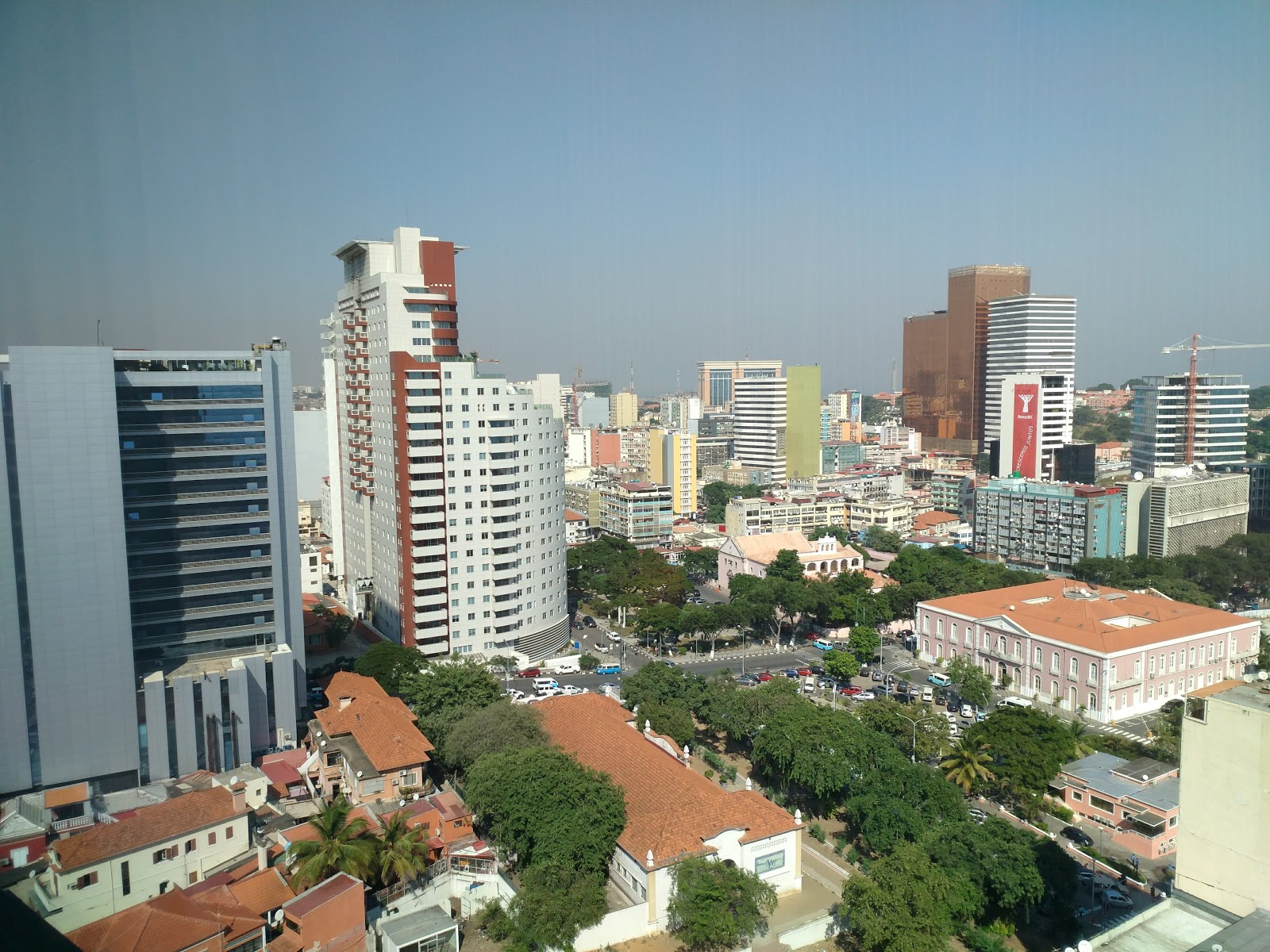
Luanda is the capital city of Angola and is located on the west coast of southern Africa. The city has a rich history, culture, and is known for its vibrant nightlife. Here are some of the top attractions to discover in Luanda:
This historical fortress was built in the 16th century by the Portuguese and served as a defense against invaders. Today, it is a museum that displays artifacts, weapons, and tools used during the colonial era. Visitors can also enjoy the stunning views of the sea from the top of the fort.
This beautiful island is located just off the coast of Luanda and is a popular destination for tourists and locals alike. Visitors can enjoy swimming, sunbathing, and water sports. The island also has several restaurants that serve fresh seafood.
This mausoleum is dedicated to the first president of Angola, Agostinho Neto, who played a significant role in the country's independence. The monument is a symbol of national pride and features a large statue of Neto and several paintings and sculptures.
This national park is located south of Luanda and is a haven for wildlife lovers. Visitors can see elephants, giraffes, zebras, and many other animals in their natural habitat. The park also has several hiking trails and picnic areas.
This natural wonder is located just outside Luanda and offers breathtaking views of the surrounding landscape. The area is known for its unique rock formations that resemble the surface of the moon.
This museum is dedicated to the history of the transatlantic slave trade and its impact on Angola. Visitors can see artifacts, documents, and artwork related to the slave trade. The museum also has a memorial garden where visitors can pay their respects to the victims of slavery.
Luanda is a city that has something for everyone. Whether you are interested in history, nature, or nightlife, you are sure to find something to enjoy in this vibrant city.
Cost of Living in Luanda: Exploring High Expenses
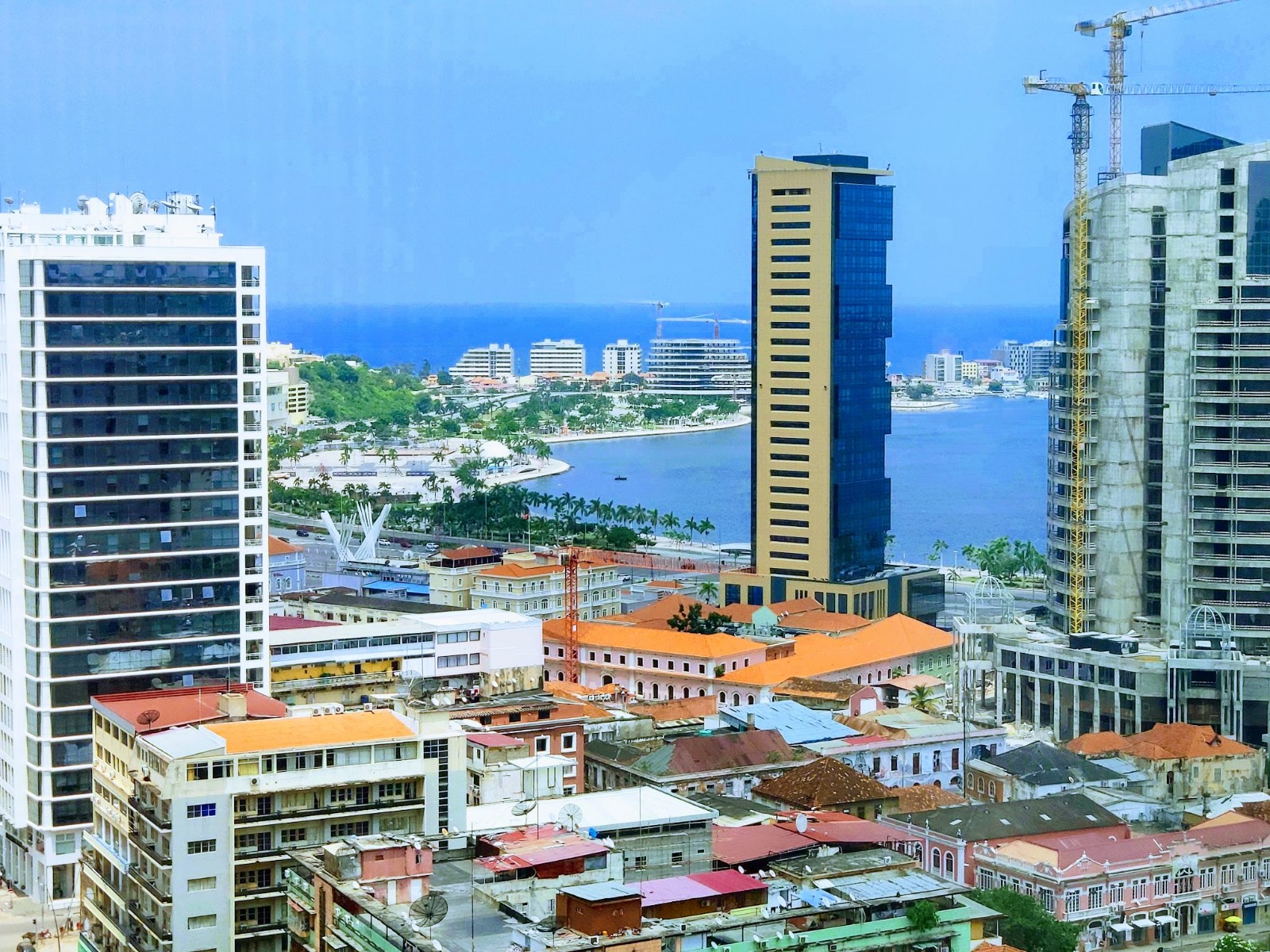
Luanda is the capital city of Angola, located on the western coast of Africa. The city has been ranked as one of the most expensive cities in the world, with its cost of living index being one of the highest. The high expenses in Luanda can be attributed to various factors, including:
Housing costs in Luanda are very high due to the limited availability of housing and high demand. This has led to the development of informal settlements, which lack basic amenities and are prone to natural disasters such as floods and landslides.
Food and beverages are also very expensive in Luanda, with most food items being imported. The high cost of transportation and import duties contribute significantly to the high prices of food and beverages.
Transportation costs in Luanda are also very high due to the poor state of infrastructure and the limited availability of public transport. Most people rely on private taxis, which are expensive, or motorbikes, which are dangerous and unreliable.
Healthcare costs in Luanda are also very high, with most people relying on private healthcare facilities. The public healthcare system is underfunded and understaffed, and the facilities are often overcrowded and lack basic equipment and medication.
The high cost of living in Luanda is a major challenge for both locals and expatriates. The government needs to take urgent steps to address the underlying causes of the high expenses, including addressing the housing crisis, improving infrastructure, and investing in public services such as healthcare and education.
Discover Luanda's Area: A Complete Guide
Luanda, the capital city of Angola, is a vibrant and bustling metropolis that is home to over 7 million people. This city is not only the economic and political hub of Angola but also a major cultural center in the region. Luanda is a city that is rich in history and culture, and there is plenty for visitors to see and do.
If you are planning a trip to Luanda, the best way to get there is by plane. The Quatro de Fevereiro International Airport is the main airport in the city and is located just a few kilometers from the city center.
There are plenty of accommodation options in Luanda, ranging from budget-friendly hostels to luxurious hotels. The best areas to stay in Luanda are the city center and the beachfront areas. Some of the most popular hotels in Luanda include the Epic Sana Luanda Hotel, the Talatona Convention Hotel, and the Skyna Hotel Luanda.
1. Visit the Fortress of São Miguel: This historic fortress was built in the 16th century and is one of the most iconic landmarks in Luanda. Visitors can explore the fortress and learn about its history.
2. Relax on the Beach: Luanda is home to some of the most beautiful beaches in Angola. Some of the most popular beachfront areas in Luanda include Ilha do Cabo, Mussulo, and Palmeirinhas.
3. Explore the National Museum of Slavery: This museum is dedicated to the history of slavery in Angola and is an important cultural destination in Luanda. Visitors can learn about the history of slavery in Angola and its impact on the country.
4. Visit the Mausoleum of Agostinho Neto: This mausoleum is dedicated to the first president of Angola, Agostinho Neto. Visitors can explore the mausoleum and learn about Neto's life and legacy.
5. Shop at the Benfica Market: This bustling market is one of the best places to shop for souvenirs and local crafts in Luanda. Visitors can browse through a variety of stalls and shops selling everything from textiles to jewelry.
Luanda is a city that is full of life and energy, and there is plenty for visitors to see and do. Whether you are interested in history, culture, or just want to relax on the beach, Luanda has something for everyone. So, if you are planning a trip to Angola, be sure to add Luanda to your itinerary!
In conclusion, Luanda is a vibrant and dynamic locality with a rich cultural heritage and a bustling economic scene. Despite its challenges, the city has a lot to offer visitors and residents alike, from its beautiful beaches to its lively nightlife. With ongoing efforts to improve infrastructure and promote sustainable development, Luanda is poised to become an even more attractive destination in the years to come. Whether you are a first-time visitor or a long-time resident, there is always something new and exciting to discover in this fascinating corner of Angola.