Five Star Hotels in Sarajevo


Hotels Five Stars
Unparalleled luxury and sophistication.
See all






About the city
Sarajevo is a city that has a rich history and a vibrant culture. It is a place where East meets West, and where you can explore the beauty of both worlds. The city is nestled in a valley surrounded by the Dinaric Alps, making it a breathtaking sight to behold.
When you visit Sarajevo, you will be greeted by a city that is full of life and energy. The streets are bustling with people, and the architecture is a mix of Ottoman, Austro-Hungarian, and modern styles. The city is also home to a diverse range of cultures and religions, which is reflected in its many mosques, churches, and synagogues.
One of the most popular attractions in Sarajevo is the Old Town, also known as Bascarsija. This area is filled with cobblestone streets, traditional shops, and cafes, and is a great place to immerse yourself in the local culture. You can also visit the Gazi Husrev-beg Mosque, which is one of the most important Islamic buildings in Bosnia and Herzegovina.
For those interested in history, Sarajevo has plenty to offer. The city has a tumultuous past, and you can learn more about it by visiting the Sarajevo War Tunnel Museum or the Museum of Crimes Against Humanity and Genocide.
When it comes to food, Sarajevo has some delicious traditional dishes that you won't want to miss. Try cevapi, a grilled meat dish served with pita bread and onions, or burek, a pastry filled with meat or cheese. Don't forget to wash it down with a cup of strong Bosnian coffee!
Sarajevo's Top Attractions: Discover its Best Known Features
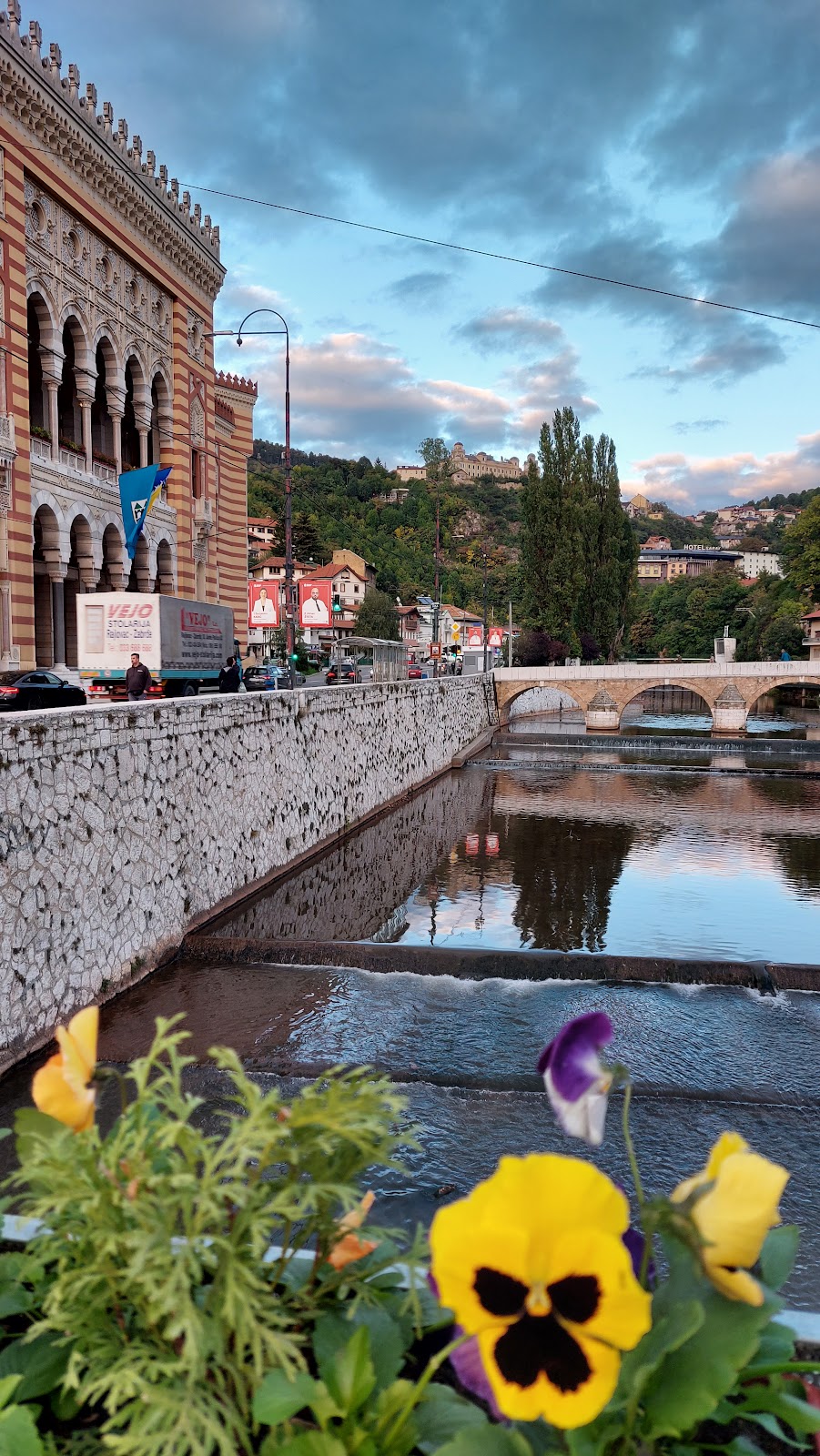
Sarajevo is the capital city of Bosnia and Herzegovina and a true gem of the Balkans. It is a city of contrasts where the East meets the West and where different cultures, religions, and traditions coexist. Sarajevo is a city with a rich history and cultural heritage, which is why it is often called the "Jerusalem of Europe."
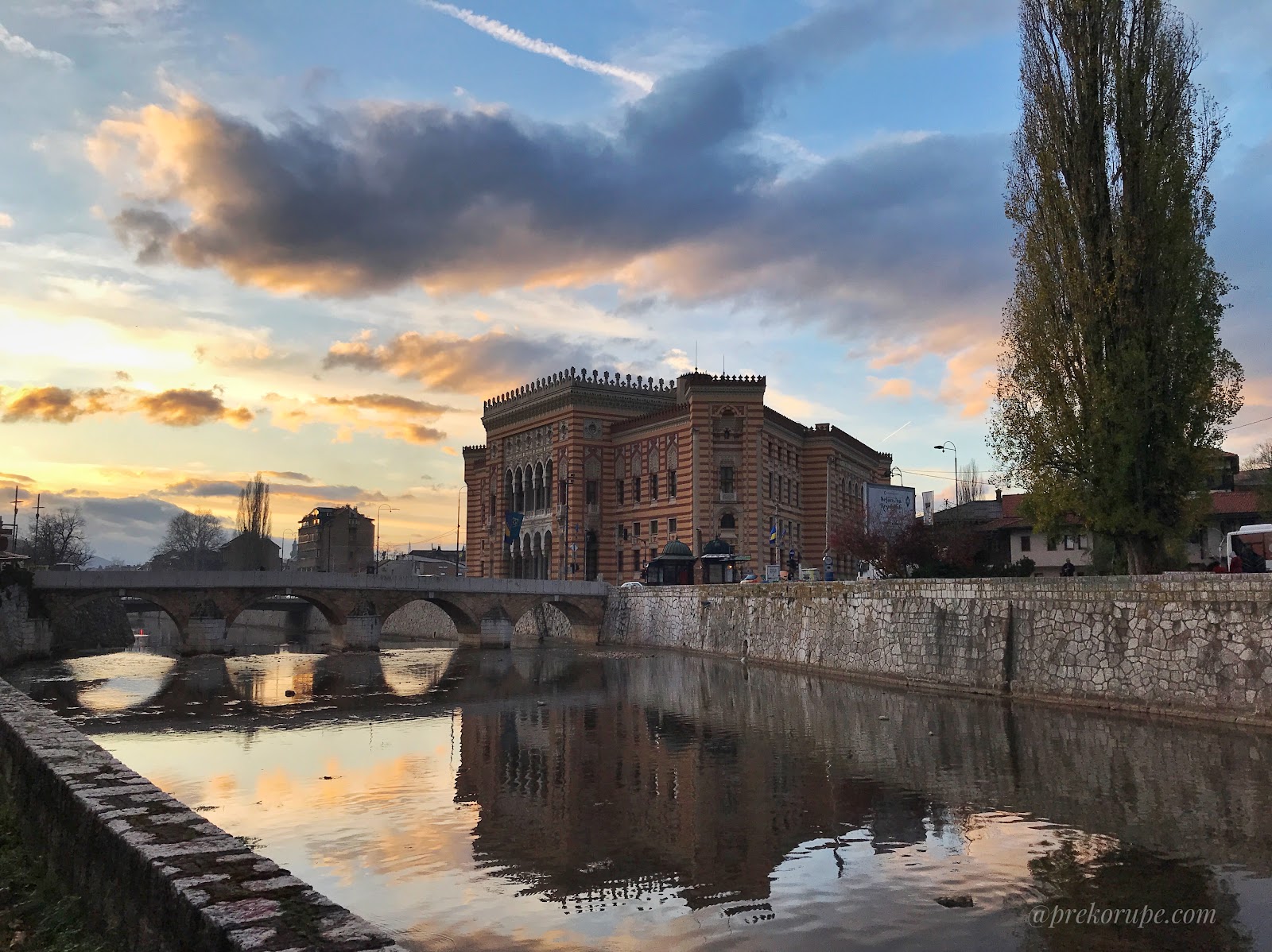
The Old Town (Baščaršija) is the heart of Sarajevo and one of its most popular attractions. It is a pedestrian zone full of narrow streets, colorful markets, traditional restaurants, and historical buildings. The most famous landmarks in the Old Town are the Sebilj Fountain, the Gazi Husrev-bey Mosque, and the Sarajevo City Hall. Visitors can also explore the Kazandžiluk street, where local artisans make and sell traditional copper ware.
The Latin Bridge is a famous bridge in Sarajevo that witnessed one of the most significant events in the 20th century – the assassination of Archduke Franz Ferdinand of Austria in 1914, which triggered World War I. Today, the bridge is a popular tourist attraction, and visitors can walk across it and learn more about the assassination and its consequences in the Sarajevo Museum 1878-1918.
The Tunnel of Hope is a unique museum that tells the story of Sarajevo's siege during the Bosnian War (1992-1995). The tunnel was built underneath the airport runway to connect the city's besieged neighborhoods with the rest of the world. Today, visitors can visit the tunnel and learn more about the war, the siege, and the people who lived through it.
Mt. Trebević is a mountain that overlooks Sarajevo and offers stunning views of the city and the surrounding area. Visitors can take a cable car from the city center to the top of the mountain or hike up on foot. Mt. Trebević was also one of the locations of the 1984 Winter Olympics, and visitors can still see some of the Olympic facilities, such as the bobsled track.
The National Museum of Bosnia and Herzegovina is the oldest and largest museum in the country. It has a vast collection of exhibits that showcase the country's history, culture, and natural heritage. The most famous exhibit is the Sarajevo Haggadah, a Jewish manuscript from the 14th century that is considered one of the world's most beautiful illuminated manuscripts.
Sarajevo is a city that has something for everyone, from history and culture to nature and adventure. It is a city that will leave visitors with unforgettable memories and a desire to come back.
Sarajevo: Country of Origin Revealed
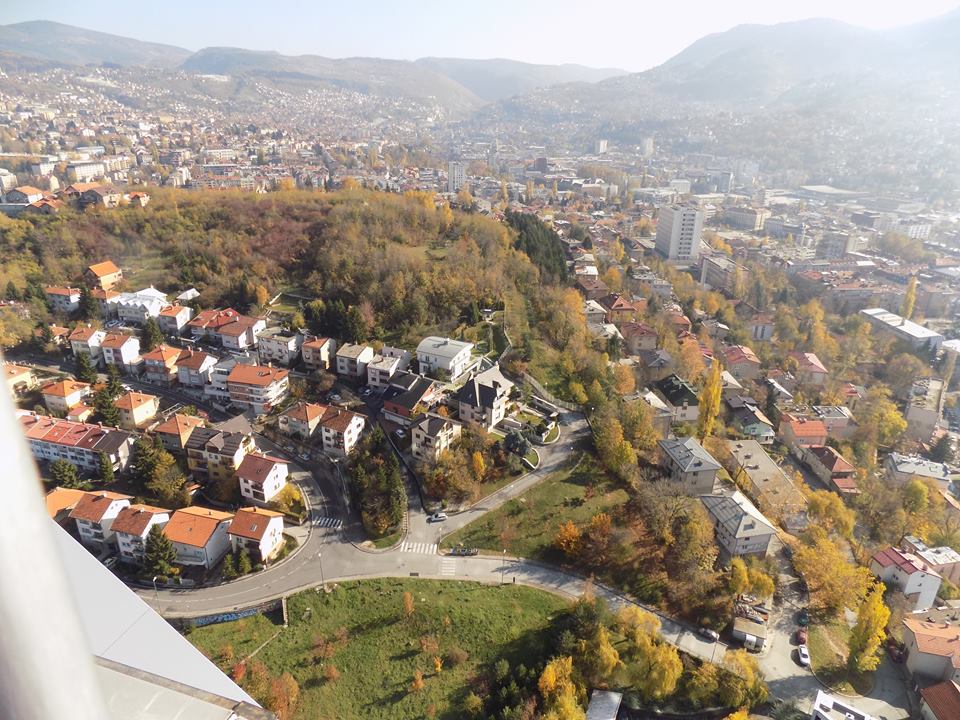
Sarajevo is a locality located in the country of Bosnia and Herzegovina. This city is known for its rich cultural heritage and historical significance.
The country of origin of Sarajevo has been revealed through various historical accounts and archaeological findings. It is believed that the Illyrian tribe inhabited the region in ancient times. Later, the city was under the control of the Roman Empire, which left its mark in the form of ancient ruins and architectural structures.
However, Sarajevo's true identity and cultural heritage were shaped during the Ottoman Empire's rule, which lasted for over 400 years. During this time, the city flourished as a center of trade, culture, and religion. The Ottoman influence can still be seen in the city's architecture, cuisine, and customs.
The 20th century was marked by significant events that shaped Sarajevo's history. It was the site of the assassination of Archduke Franz Ferdinand, which triggered World War I. Later, during the breakup of Yugoslavia, Sarajevo became a target of aggression, resulting in a siege that lasted for over three years.
Despite the challenges faced by the city, Sarajevo has managed to preserve its cultural heritage and rebuild its infrastructure. Today, it is a vibrant city that attracts tourists from all over the world.
What Language is Spoken in Sarajevo?
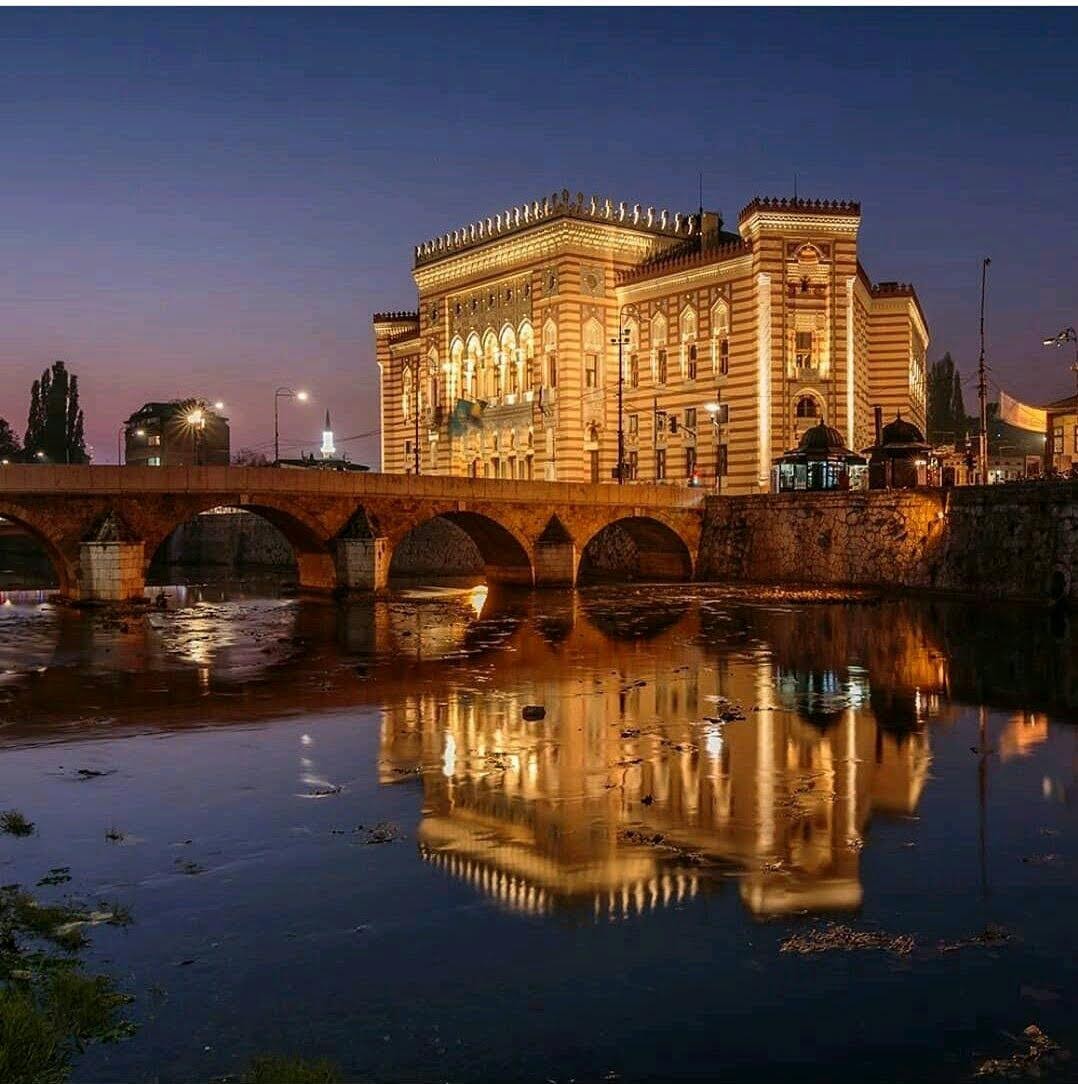
Sarajevo is the capital and largest city of Bosnia and Herzegovina. It is a multicultural city, with a diverse population of Bosniaks, Croats, and Serbs, as well as other ethnic groups. Therefore, there are several languages spoken in Sarajevo, but the official language is Bosnian, Croatian, and Serbian (BCS).
BCS is a South Slavic language that is often referred to as Serbo-Croatian. It is the standard language of Bosnia and Herzegovina, Croatia, Montenegro, and Serbia. Although the languages share a common grammar and vocabulary, there are some differences in pronunciation and vocabulary, depending on the region.
Other languages are also spoken in Sarajevo, depending on the ethnic background of the speaker. Bosniaks, who make up the largest ethnic group in Sarajevo, generally speak BCS. However, some also speak Turkish, which reflects the Ottoman influence on the region.
Croats, who are the second-largest ethnic group in Sarajevo, primarily speak BCS. However, they may also speak Croatian, which has some differences in vocabulary and pronunciation compared to the other languages.
Serbs, who make up a smaller percentage of the population, speak Serbian, which is similar to BCS, but with some differences in vocabulary and pronunciation.
English is also spoken by many people in Sarajevo, particularly among the younger generations. It is taught in schools and is the most widely spoken foreign language in the city.
Discover Sarajevo's Ethnic Diversity
Sarajevo, the capital of Bosnia and Herzegovina, is a city where various ethnic and religious groups coexist. It is a unique blend of cultures, traditions, and customs, making it one of the most diverse cities in Europe.
Bosniaks, Croats, and Serbs are the three largest ethnic groups in Sarajevo. Bosniaks are the majority and make up around 80% of the population. Croats and Serbs are the minority groups, with each comprising around 5% of the population. Other ethnic groups, such as Roma and Jews, also live in Sarajevo.
Sarajevo's ethnic diversity is a result of its historical background. The city has been ruled by different empires and kingdoms throughout history, including the Ottoman Empire, Austro-Hungarian Empire, and Yugoslavia. Each of these rulers brought their own culture and traditions, which influenced the city's development.
One of the most prominent examples of Sarajevo's ethnic diversity is its religious diversity. Sarajevo is home to mosques, churches, and synagogues, which stand side by side in the same neighborhood. The city has been called the "Jerusalem of Europe" because of this unique coexistence of different religions.
The most famous mosque in Sarajevo is the Gazi Husrev-bey Mosque, built in the 16th century during the Ottoman Empire. It is a symbol of the city's Islamic heritage and one of the most important Islamic buildings in the Balkans.
The Sarajevo Cathedral is the largest and most important Catholic church in Sarajevo. It was built in the late 19th century during the Austro-Hungarian Empire. The church is an example of neo-gothic architecture and has a rich history, including surviving the Bosnian War in the 1990s.
The Jewish community in Sarajevo is one of the oldest in Europe. The Jews arrived in Sarajevo during the Ottoman Empire and have a long and rich history. The Sarajevo Synagogue is one of the oldest synagogues in Europe and is still used for religious services today.
Sarajevo's ethnic diversity can also be seen in its cuisine. The city's food is a blend of Ottoman, Austro-Hungarian, and Balkan influences. Some of the most popular dishes include cevapi, burek, and baklava.
In conclusion, Sarajevo is a unique and fascinating locality that has been shaped by its rich history and diverse cultural influences. From the Ottoman Empire to the Austro-Hungarian Empire, Sarajevo has experienced a multitude of transformations that have left their mark on the city. Today, it is a vibrant and bustling metropolis that offers visitors a glimpse into its past while also embracing modernity. Whether you're interested in history, culture, or simply want to explore a beautiful city, Sarajevo is a must-visit destination in Bosnia and Herzegovina. So, pack your bags and get ready to experience the magic of Sarajevo for yourself!