Five Star Hotels in Djibouti


Hotels Five Stars
Unparalleled luxury and sophistication.
See all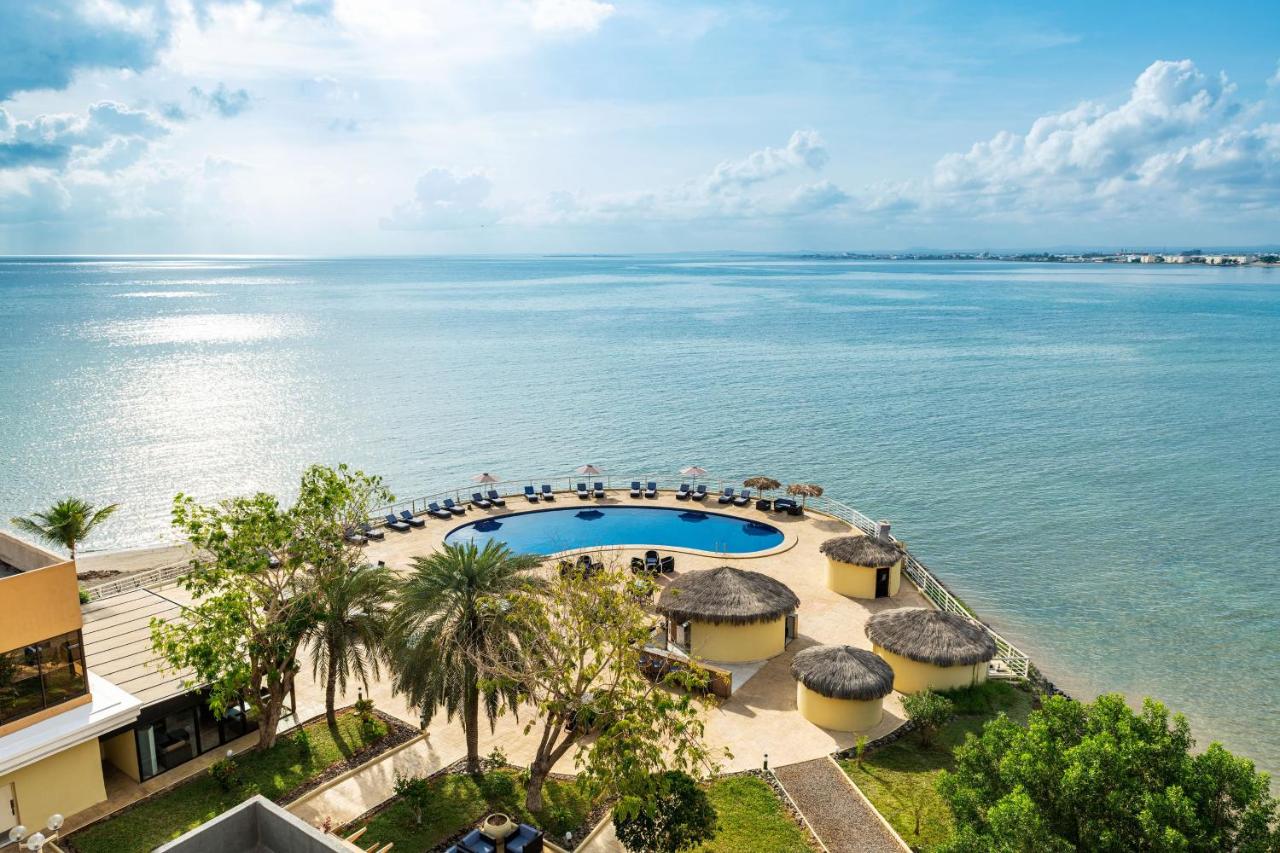
About the city
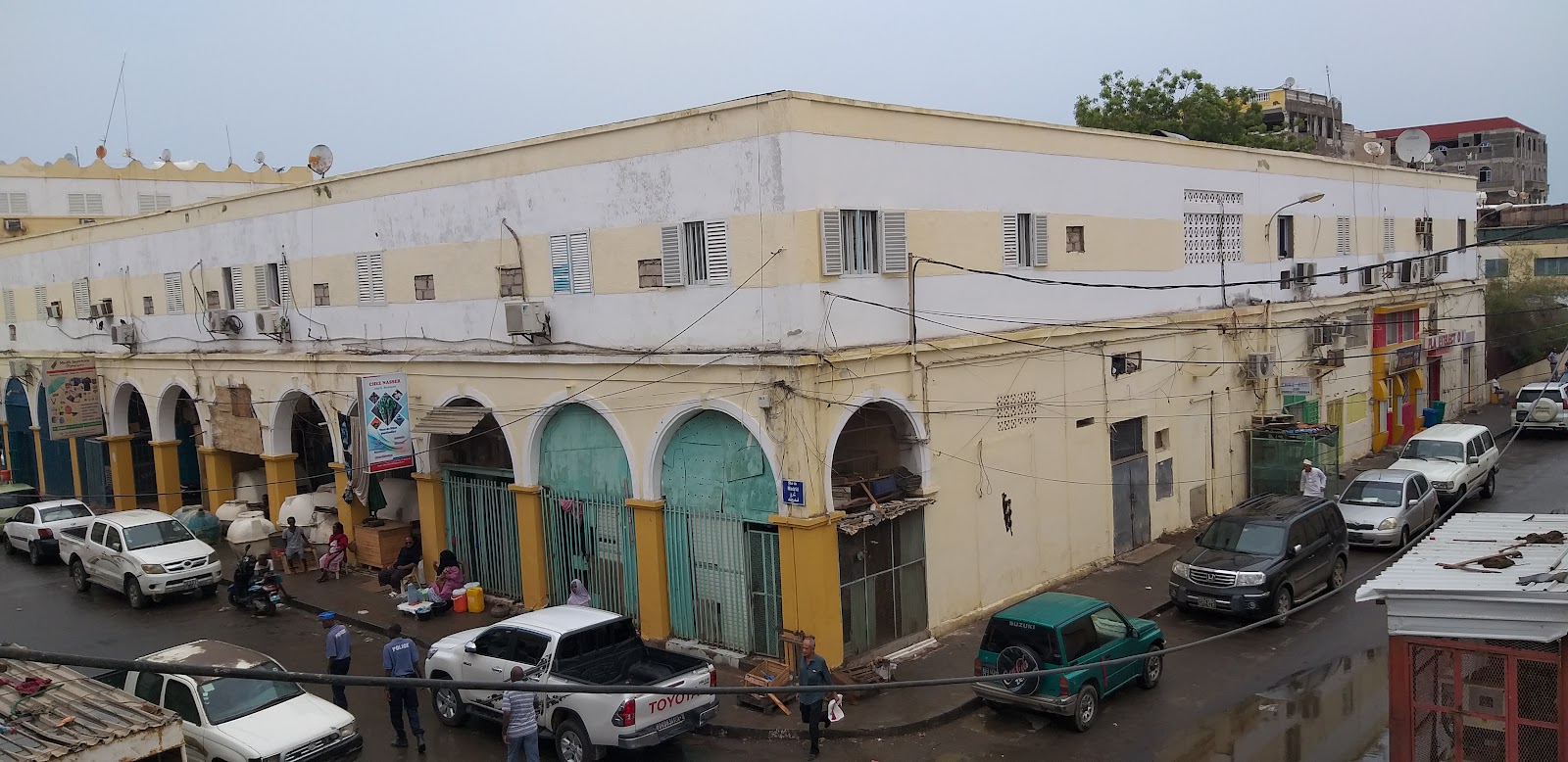
The city of Djibouti is the capital and largest city of the country. With a population of over 600,000 people, it is a bustling hub of activity and commerce. As soon as WE arrived, WE were struck by the city’s unique blend of African, Arab, and French influences. The buildings and architecture reflect the country’s colonial past, while the markets and street vendors showcase the vibrancy of the local culture.
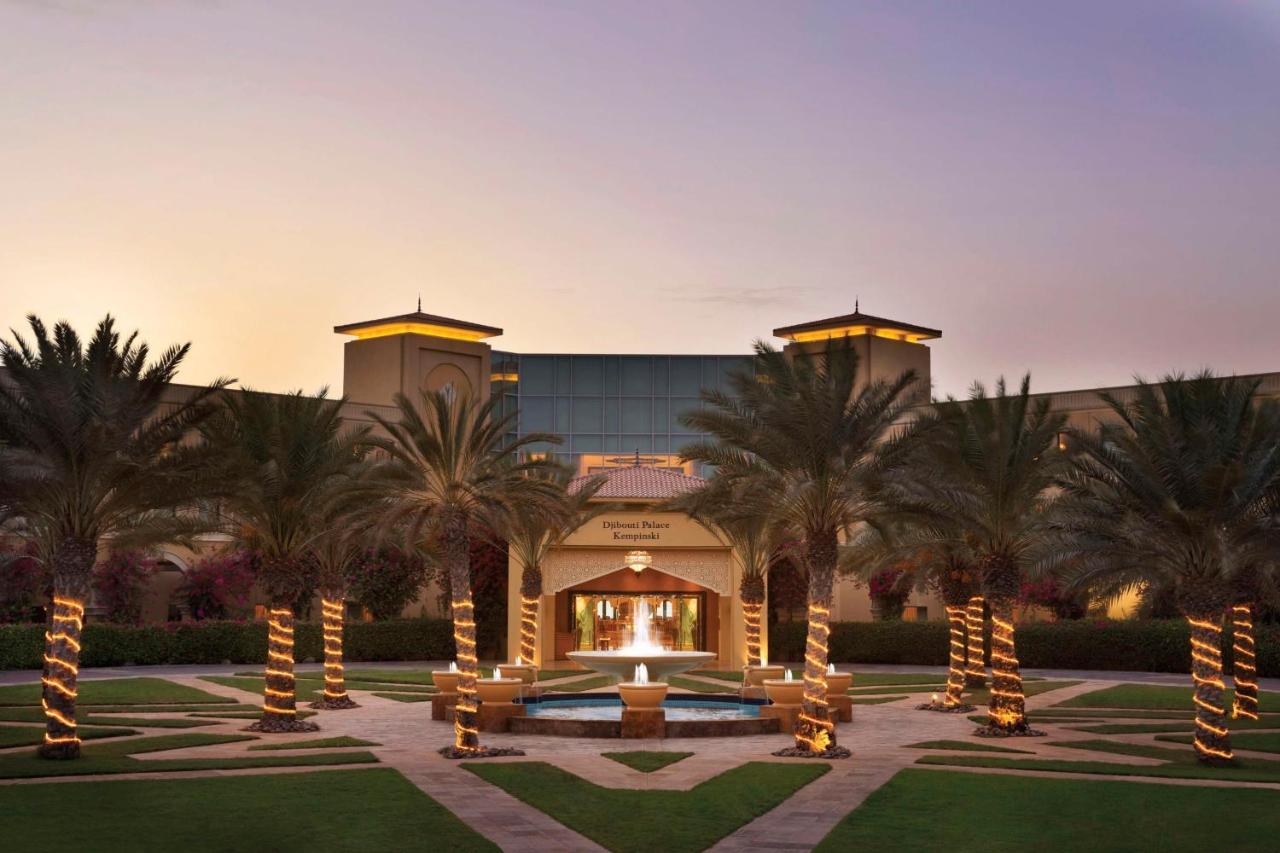
One of the main attractions in the city is the Djibouti Palace Kempinski Hotel. This luxurious resort is located on a private beach and offers stunning views of the Gulf of Tadjoura. WE highly recommend taking a walk along the beach and watching the local fishermen at work. The hotel also offers a variety of water sports and activities, such as kayaking and snorkeling.
Another must-see attraction in Djibouti city is the Place Menelik. This public square is named after the Ethiopian emperor who was instrumental in Djibouti’s independence from France. The square is surrounded by colonial buildings and is a popular spot for locals to gather and socialize.
For those interested in history and culture, WE recommend visiting the Djibouti National Museum. This small but informative museum showcases the country’s rich history, from prehistoric times to the present day. The exhibits include artifacts from ancient civilizations, as well as displays on the country’s colonial past and independence.
Djibouti: Discovering the Land of White Gold
Djibouti is a small country located in the Horn of Africa. It is bordered by Eritrea to the north, Ethiopia to the west and south, and Somalia to the southeast. The country has a population of approximately 1 million people and its official languages are French and Arabic.
Djibouti is known as the "Land of White Gold" due to its significant salt reserves. The country produces over 4 million tons of salt annually, making it one of the largest producers of salt in the world. The salt is harvested from Lake Assal, which is also the lowest point in Africa and the second-lowest point on Earth.
Djibouti is also home to a diverse range of wildlife, including the endangered Somali wild ass and the Grevy's zebra. The country's national parks, such as the Day Forest National Park, offer visitors the opportunity to see these animals in their natural habitats.
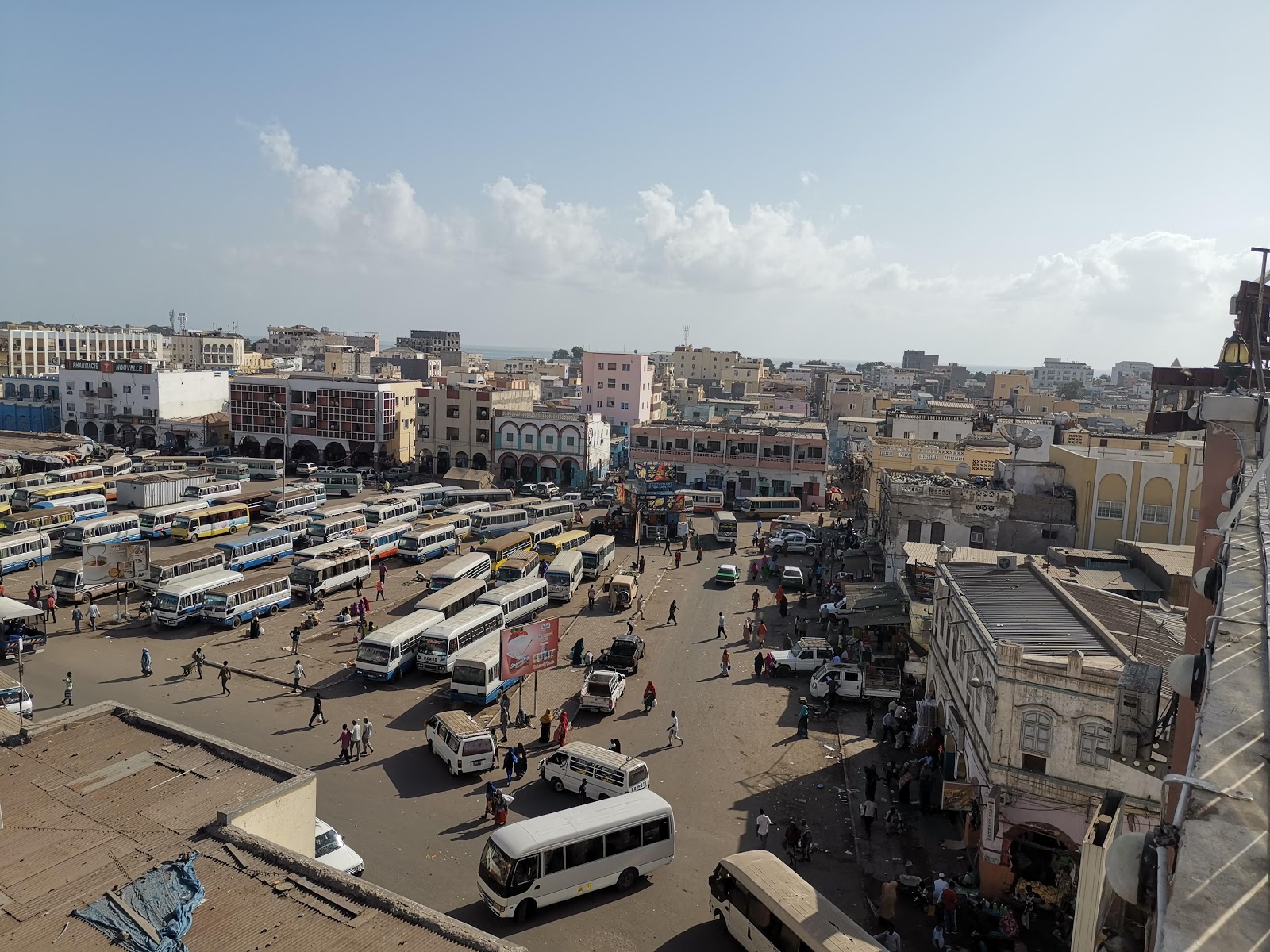
The capital city of Djibouti is also named Djibouti and is home to over 600,000 people. The city has a rich history, with influences from French, Arab, and Somali cultures. Visitors can explore the city's markets, museums, and mosques.
Djibouti's location on the Red Sea makes it an important strategic location for international trade. The country's port is a major gateway for goods entering and leaving the region, with over 95% of Ethiopia's imports passing through Djibouti.
In recent years, Djibouti has also become a hub for military bases, with several countries including the United States, France, and China establishing bases in the country.
Discovering Residential Areas in Djibouti
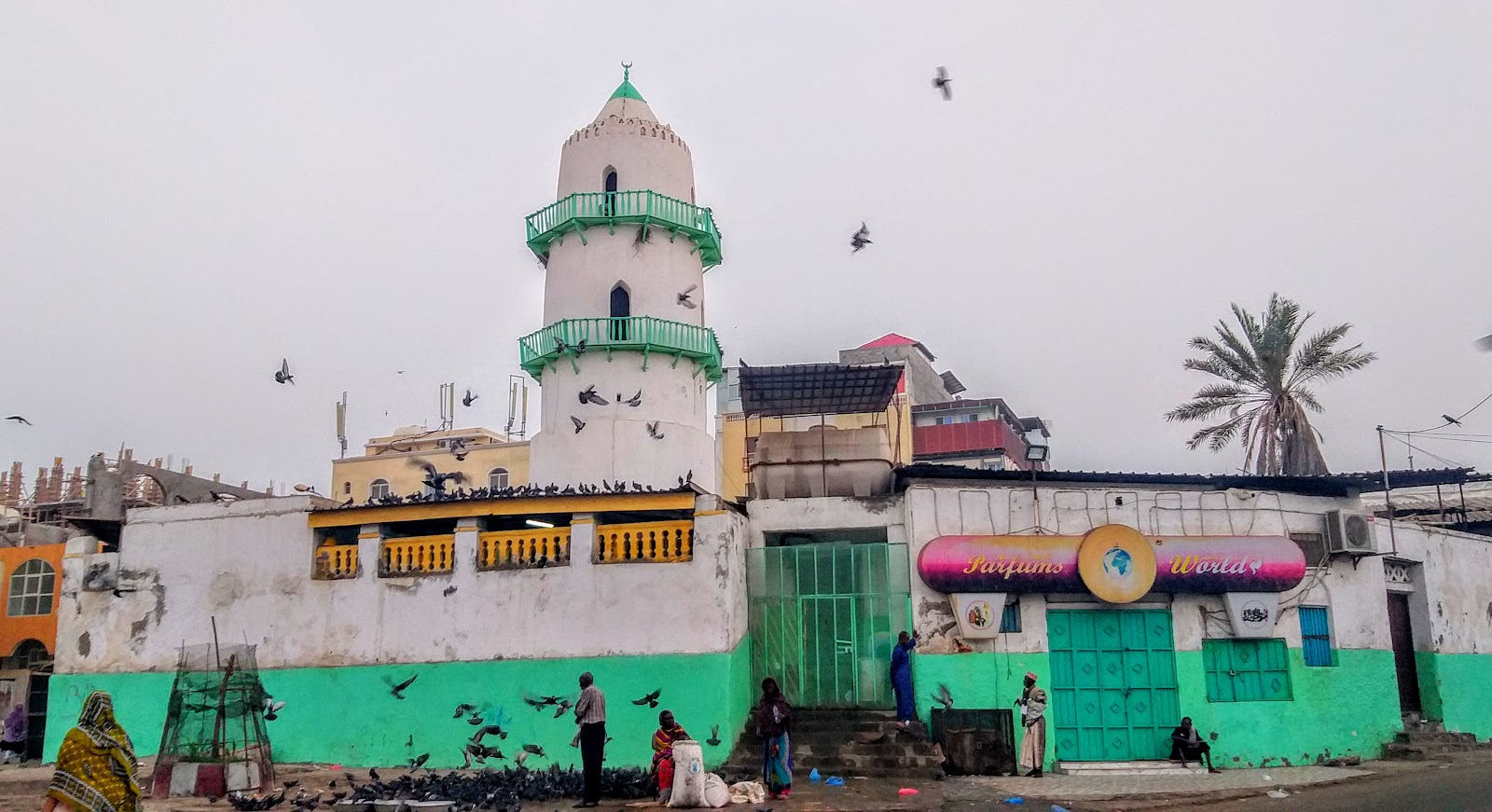
Djibouti is a small country located in the Horn of Africa, bordered by Eritrea, Ethiopia, and Somalia. Despite its size, it is a vibrant country with a rich cultural heritage and a diverse population. If you are planning to move to Djibouti, it is important to know about the various residential areas in the country.
Djibouti is divided into six districts, each with its own administrative center. The districts are:
Djibouti District is the capital district and is also the most populous. It is home to the majority of the country's government institutions, businesses, and residential areas.
There are several residential areas in Djibouti, each with its own unique characteristics and amenities. Some of the most popular residential areas in Djibouti include:
No matter which residential area you choose in Djibouti, you will be sure to find a welcoming and vibrant community that will make you feel right at home.
Is Djibouti a Rich or Poor Nation?
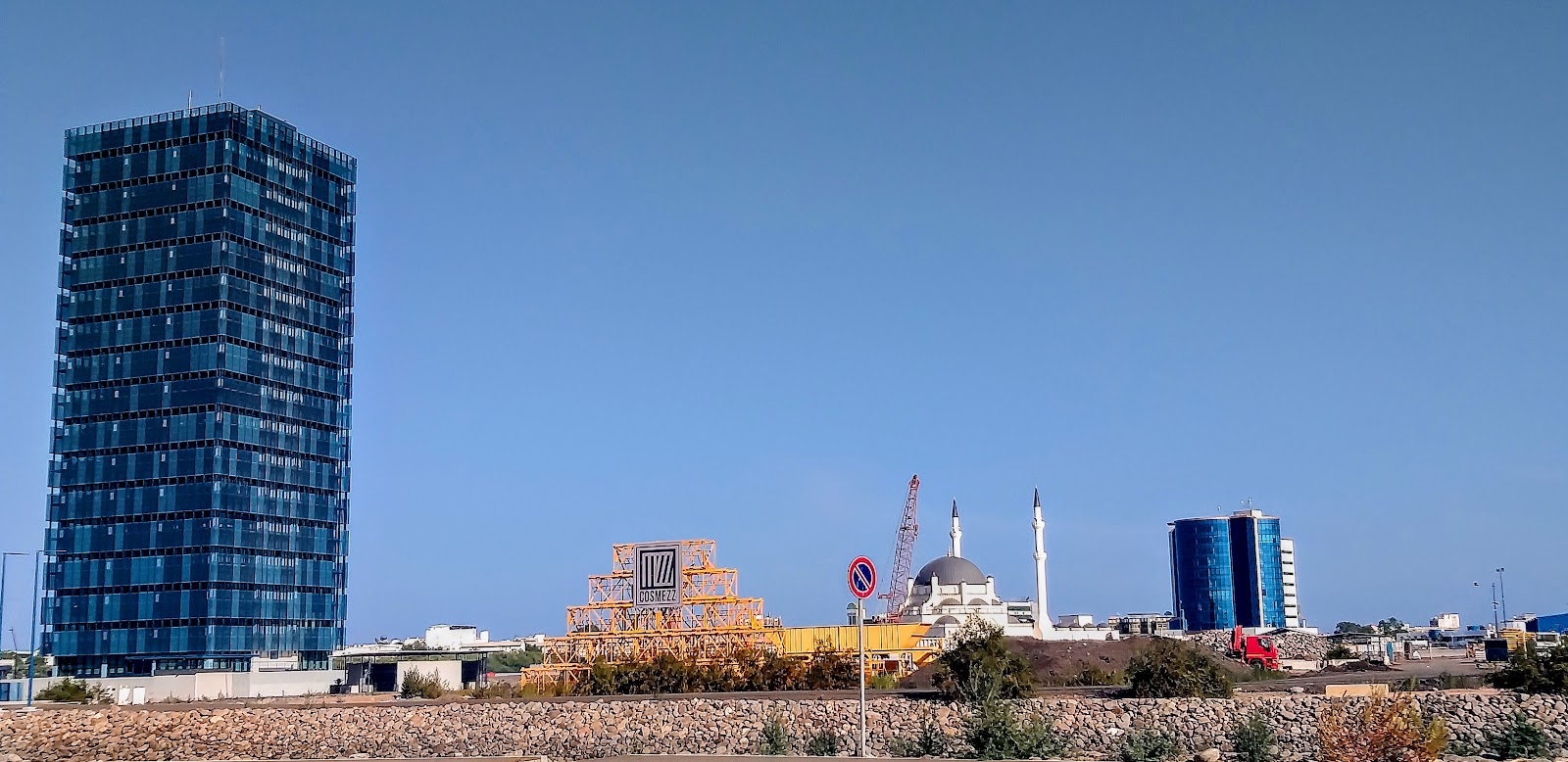
Djibouti is a small country located in the Horn of Africa. It is known for its strategic location, serving as a gateway to the Red Sea and the Suez Canal. However, when it comes to the wealth of the nation, the answer is not straightforward.
On one hand, Djibouti has one of the fastest-growing economies in Africa, with an average growth rate of 6-7% over the past decade. This growth is due to the country's strategic location, which has attracted foreign investment and led to the development of port infrastructure. In addition, the country has invested heavily in its transportation and telecommunications sectors, which has helped to boost economic growth.
However, despite this growth, Djibouti is still considered a poor nation. The country has a high poverty rate, with over 23% of the population living below the poverty line. In addition, unemployment is high, and many people work in informal sectors with low wages.
Another factor that contributes to Djibouti's poverty is its lack of natural resources. The country has very little arable land and relies heavily on imports for food and other essential goods. In addition, the country's water resources are limited, with most of its population relying on water from the groundwater table, which is rapidly depleting.
Djibouti City Count: How Many Cities in Djibouti?
Djibouti is a country located in the Horn of Africa. It is a small nation with a population of just over one million people. Djibouti is known for its strategic location, serving as a gateway to the Red Sea and the Indian Ocean. The country's capital, Djibouti City, is a major port and the largest city in the country.
So, how many cities are there in Djibouti?
There are only a few cities in Djibouti, with Djibouti City being the largest and most populous. The other major cities in the country include Dikhil, Tadjourah, and Ali Sabieh. These cities are relatively small in comparison to Djibouti City, with populations ranging from 20,000 to 50,000 people.
Djibouti City
Djibouti City is the capital and largest city in Djibouti. It is located on the Gulf of Tadjoura, which is an important shipping route connecting the Red Sea and the Indian Ocean. The city has a population of approximately 600,000 people, making up more than half of the country's total population.
Dikhil
Dikhil is a city located in the western part of Djibouti. It has a population of around 20,000 people and is known for its hot springs and geothermal energy potential. The city is also a major transit point for goods traveling to and from Ethiopia.
Tadjourah
Tadjourah is a city located on the Gulf of Tadjoura. It has a population of around 25,000 people and is known for its beautiful beaches and historic architecture. The city is also a popular destination for tourists visiting Djibouti.
Ali Sabieh
Ali Sabieh is a city located in the south-central part of Djibouti. It has a population of around 50,000 people and is known for its scenic landscapes and wildlife. The city is also an important transportation hub, connecting Djibouti City to Ethiopia.
In conclusion, Djibouti locality in Djibouti country is a unique and diverse destination that offers something for everyone. With its rich history, stunning landscapes, and thriving culture, this small but mighty country is a hidden gem that deserves to be explored. Whether you are interested in experiencing the vibrant marketplaces, exploring the natural wonders, or simply soaking up the local atmosphere, Djibouti locality is sure to leave a lasting impression on you. So why not plan your next adventure to this fascinating destination and discover the magic of Djibouti for yourself?